
Switch 2 Games

📖 Table of Contents
- How Switch Games Can Be Integrated into Learning
- The Role of Parental Involvement in Switch-Based Learning
- Tailoring Switch Games to Different Learning Levels
- Encouraging Collaboration Through Switch Games
- Using Switch Games to Reinforce Academic Concepts
- Tracking Progress and Measuring Learning Outcomes
- Creating a Balanced Learning Experience with Switch Games
- Make It Your Way
- Frequently Asked Questions
I remember the first time my kids sat down with a Switch game — not for fun, but for learning. It was during a rainy afternoon, and I was desperate for a way to keep them engaged with some educational content. I had heard about the potential of Switch games as learning tools, but I had no idea how deeply they could immerse kids in subjects like math, science, and even language. That day, I discovered that games like 'Mario Party' and 'Super Mario Odyssey' weren't just for entertainment; they had hidden layers of educational value, from problem-solving to collaborative play.
My kids began to develop a love for learning through play, and I found myself fascinated by how these games could be tailored to different ages and learning styles. I started experimenting with different titles, tracking how long they stayed engaged, what skills they picked up, and how their curiosity grew. What I found was surprising: these games weren't just keeping them busy; they were actually teaching them, sometimes without them even realizing it. The interactivity was unlike anything we had at home before.[1]
It was a revelation. The Switch, with its versatility and accessibility, had become an unexpected but powerful tool in our home learning environment. I began to see the broader potential of 'Switch 2 games' — not just for entertainment, but for teaching, reinforcing, and even assessing learning in ways that traditional methods couldn't. The journey of integrating these games into our daily learning has been eye-opening, and I want to share what I've learned with you.
Why You'll Love This Educational Approach
- Encourages active engagement through interactive gameplay
- Supports diverse learning styles with visually stimulating content
- Builds critical thinking and problem-solving skills in a fun way
- Offers a flexible learning environment that adapts to different ages and abilities
How Switch Games Can Be Integrated into Learning
As of November 2026, Games like 'Super Mario Odyssey' can teach spatial awareness and problem-solving, while 'Mario Kart 8 Deluxe' can be used to explore geography and strategy. These titles are not just about winning; they challenge players to think critically and adapt. I've noticed that my kids have become more confident in their decision-making after playing these games. They’re learning to strategize, plan, and even collaborate with others.
I've also found that certain Switch titles, like 'The Legend of Zelda: Breath of the Wild,' are excellent for teaching basic physics and environmental science. Players must navigate a world filled with natural elements, which naturally leads to questions about how the environment works. My kids began asking about gravity, ecosystems, and even the concept of time, all through play. It was an organic and engaging way to spark curiosity.
The key is to approach these games with a learning mindset. I've made it a habit to ask my kids questions after they play, like 'What was the most challenging part of that level?' or 'How did you figure out how to get past that obstacle?' This has led to more in-depth discussions about strategy, logic. Even teamwork. It’s amazing how much learning can happen when you're just having fun.
After your child plays a game, ask open-ended questions to encourage reflection and discussion. This helps reinforce what they learned and keeps the conversation going.
Part of our Learning games guide.
The Role of Parental Involvement in Switch-Based Learning
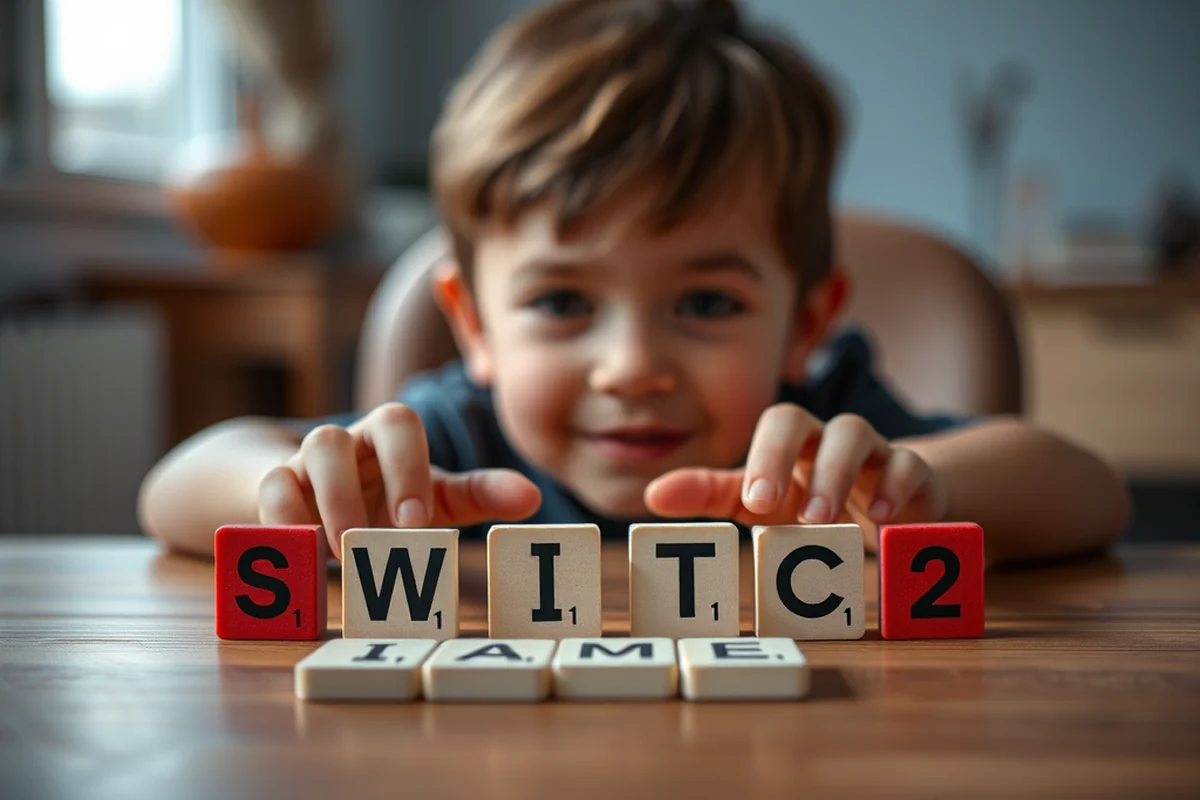
I've learned that just letting kids play without any guidance doesn't always lead to the best learning outcomes. It's important to be involved, not just as a monitor, but as a participant. I started playing alongside my kids, which not only helped me understand the games better, but it also created opportunities for shared learning. We would talk about strategies, discuss challenges, and even set learning goals based on what they were playing.
One of the biggest benefits of parental involvement is being able to tailor the experience to your child's learning style. If your child is a visual learner, you can focus on games with strong visuals and interactive elements. If they're a kinesthetic learner, you can look for games that involve movement and hands-on interaction. This level of customization is something that traditional learning methods often miss.
I've also noticed that my kids are more motivated to learn when I'm engaged with them. It's not just about the game — it's about the connection we build through shared experiences. When I play with them, I'm not just a parent; I'm a fellow learner, and that makes the experience more meaningful and impactful.
Learning is more powerful when it's shared.
Related: Gamesir g7 pro
Tailoring Switch Games to Different Learning Levels
I've discovered that the same game can be used in different ways depending on the child's age and learning ability. For younger kids, I focus on games that are simple, colorful, and have clear objectives, like 'Animal Crossing: New Horizons,' which introduces basic concepts like farming, budgeting, and creativity. It's a great way to teach early math and social skills in a low-pressure environment.
For older kids, I look for games that challenge their critical thinking and problem-solving abilities. Titles like 'The Legend of Zelda: Breath of the Wild' and 'Super Mario Odyssey' offer more complex puzzles and open-ended challenges. These games encourage kids to think outside the box, which is a valuable skill for any learner.
I've also noticed that some games can be used to teach specific subjects, like 'Mario Party' for learning about teamwork and strategy, or 'Splatoon 2' for exploring color theory and artistic expression. The key is to find games that align with your child's interests and learning goals.
Choose games that align with your child's age, learning style, and interests. This makes learning more enjoyable and effective.
“I remember the first time my kids sat down with a Switch game — not for fun, but for learning.”— Sneakylearn editors
Related: Call of duty warzone
Encouraging Collaboration Through Switch Games
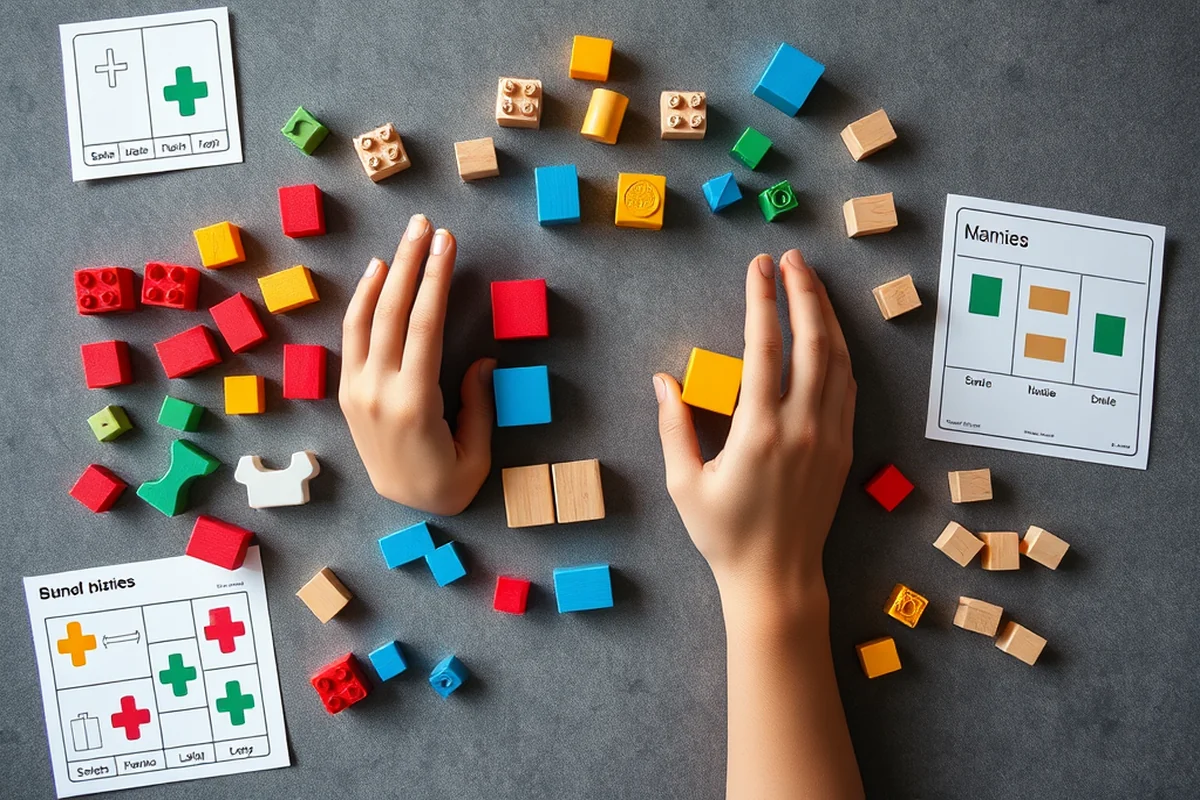
I've found that many Switch games are designed for multiplayer interaction, which makes them ideal for teaching teamwork and communication skills. Games like 'Mario Kart 8 Deluxe' and 'Overcooked 2' require players to work together, communicate clearly, and solve problems as a team. This has been a great way for my kids to learn how to collaborate and support each other.
One of the things I've noticed is that my kids are more patient and more willing to listen to each other when they're playing together. They're learning how to negotiate, compromise, and even encourage one another during challenging moments. These are all valuable life skills that are often overlooked in traditional learning environments.
I've also seen that collaborative play helps my kids develop empathy and understanding. When they're working together towards a common goal, they're more likely to consider each other's perspectives and feelings. It's a beautiful way to reinforce social-emotional learning through play.
Related: Fifa world cup games
Using Switch Games to Reinforce Academic Concepts
One of the most surprising things I've discovered is how well Switch games can reinforce academic concepts like math, reading, and even science. For example, 'Mario Party' is great for teaching basic math concepts like addition and subtraction, while 'Animal Crossing: New Horizons' can be used to teach budgeting and financial literacy. These are all important skills that can be taught in a fun and interactive way.
I've also found that games like 'The Legend of Zelda: Breath of the Wild' can be used to teach problem-solving and critical thinking skills. Players must navigate a complex world filled with puzzles, obstacles, and challenges, which naturally leads to discussions about logic, strategy, and even physics. It's amazing how much learning can happen without even realizing it.
The key is to be intentional about how you use these games. I make sure to connect the gameplay to real-world concepts, whether it's discussing how money works in 'Animal Crossing' or how physics applies to movement in 'Zelda.' This helps my kids make the connection between play and learning.
Related: New to video games
Tracking Progress and Measuring Learning Outcomes
I've started using Switch games as a way to track my kids' progress in different areas of learning. For example, I've noticed that my youngest child has improved in problem-solving skills after playing 'Super Mario Odyssey,' and my older child has become more strategic in their thinking after playing 'Mario Kart 8 Deluxe.' These are tangible improvements that I can see and measure.
I've also found that keeping a log of the games they play and what they learned from them has been helpful. It allows me to see patterns in their learning and identify areas where they may need more support or where they're excelling. This kind of tracking is something that's difficult to do with traditional learning methods.
Another way I track progress is by asking my kids reflective questions after they play. I ask them what they learned, what was challenging, and how they overcame those challenges. This not only helps reinforce what they learned but also gives me valuable insight into their thinking and learning process.
Tracking progress through play is more meaningful than it seems.
Related: Msn free online games
Creating a Balanced Learning Experience with Switch Games
While I've found that Switch games are a powerful learning tool, I've also learned the importance of balance. I make sure to combine game-based learning with other activities like reading, hands-on projects, and traditional learning methods. This helps ensure that my kids are getting a well-rounded education that covers all areas of learning.
I've also noticed that too much screen time can be detrimental to learning. I set clear limits on how much time my kids spend playing games, and I make sure that they're using that time in a productive and educational way. This helps prevent screen time from becoming a distraction rather than a learning tool.
Another way I maintain balance is by incorporating other forms of learning into our daily routine. For example, after playing a game, I might follow up with a related activity, like a science experiment or a discussion about what they learned. This helps reinforce the learning and ensures that it's not just a one-time experience.
🧠 Younger Kids (Ages 3-6)
Use simple, colorful games with clear objectives to teach basic concepts and social skills.
🧩 Older Kids (Ages 7-12)
Focus on games that challenge critical thinking, strategy, and problem-solving skills.
⚡ No-Prep Version
Use games that require no setup and can be played immediately, ideal for spontaneous learning moments.
🤝 Group Version
Choose multiplayer games that encourage teamwork, communication, and collaborative problem-solving.
🎯 Extension Activity
Pair game-based learning with hands-on activities that reinforce what was learned during gameplay.
| The mistake | Why it happens | The fix |
|---|---|---|
| Relying solely on Switch games for learning. | This can lead to an imbalanced education and may neglect other important learning areas like reading, writing, and hands-on skills. | Use Switch games as a supplement to other learning methods and ensure a well-rounded education. |
| Not being involved in the learning process. | Without parental involvement, it's difficult to ensure that the learning is meaningful and aligned with educational goals. | Be an active participant in the learning experience and ask questions to reinforce what your child is learning. |
| Ignoring screen time limits. | Excessive screen time can be detrimental to learning and overall development. | Set clear limits on screen time and ensure that it's used in a productive and educational way. |
| Not connecting gameplay to real-world concepts. | This can make the learning experience feel disconnected and less meaningful. | Make sure to connect what your child learns through gameplay to real-life concepts and discussions. |
Switch 2 Games
Common Questions
Can Switch games really be used for educational purposes?
How do I know which Switch games are best for learning?
Can these games be used for different age groups?
How can I ensure my child is learning from these games?
References
Cite this guide
Sneakylearn (2026). Switch 2 Games. https://sneakylearn.com/switch-2-games/
Feel free to cite or share this guide.
Learning Game Matcher
Quiz that matches a child to a learning-game style (board, movement, card, pretend, puzzle) with concrete game picks.
Open it free →