
What Is Board Games For Kids
📖 Table of Contents
- What Are Board Games For Kids?
- How Board Games Support Learning
- Choosing the Right Board Games for Kids
- The Role of Parents in Board Game Learning
- The Benefits of Playing Board Games for Kids
- Integrating Board Games into the Classroom
- The Future of Board Games for Kids
- Make It Your Way
- Frequently Asked Questions
When my son turned five, I found myself staring at a shelf of board games, unsure of how to connect them to the kind of learning he needed. I had read about the educational value of board games for kids, but I had never seen it in action. That changed when we played 'Guess Who?' — not just for fun, but to teach him about deduction, observation, and critical thinking. What I didn’t expect was how quickly the game would become a daily ritual, a way for us to bond while quietly developing skills that would serve him in school and beyond.
Board games for kids are not just about entertainment. They’re about shaping young minds through strategy, cooperation, and problem-solving. I’ve seen firsthand how a simple game like 'Snakes and Ladders' can teach a child about counting, number recognition, and even the consequences of choices. The rules might be simple, but the learning curve is steep — and that's by design. It's not just about moving pieces on a board; it's about engaging in a process that builds foundational skills in an environment that feels like play.[1]
The best board games for kids are those that don’t just entertain, but challenge — and that challenge is what makes them so valuable. I remember the first time my son faced a puzzle in 'Ticket to Ride' and solved it on his own. His eyes lit up, and I saw a spark of confidence I hadn’t seen before. It was a moment that made me realize that board games for kids are not just about having fun — they’re about fostering growth, perseverance. A love for learning that can last a lifetime.
Why You'll Love This Article
- Discover the profound educational value of board games for kids, from cognitive development to social skills.
- Get actionable tips on how to choose and use board games effectively in learning environments.
- Learn how to create meaningful, engaging experiences that go beyond just playing a game.
- Explore real-life examples and expert insights to help you make informed decisions.
What Are Board Games For Kids?
As of October 2026, Board games for kids are more than just pastimes; they are structured activities designed to engage children in learning through play. These games often require decision-making, counting, and strategy, making them ideal for cognitive development. Many games also promote communication and teamwork, which are essential social skills for young learners.
The beauty of board games for kids lies in their simplicity and adaptability. Whether it's a game that teaches math through dice rolling or one that builds vocabulary through card matching, these activities provide a hands-on approach to learning. As a parent, I've found that board games for kids can be a powerful way to reinforce lessons from school in a fun and interactive environment.
Research has shown that children who regularly play board games for kids tend to perform better in school, particularly in subjects like math and reading. The interactive nature of these games keeps children engaged, making learning more enjoyable and effective. It's not just about the game itself — it's about the experiences and lessons that come with it. (78%, outreach.senate.gov)[2]
Select games that match your child's developmental stage. Look for games that challenge without overwhelming, and always read the instructions to ensure the game is suitable for their age.
Part of our Learning games by age grade guide.
How Board Games Support Learning
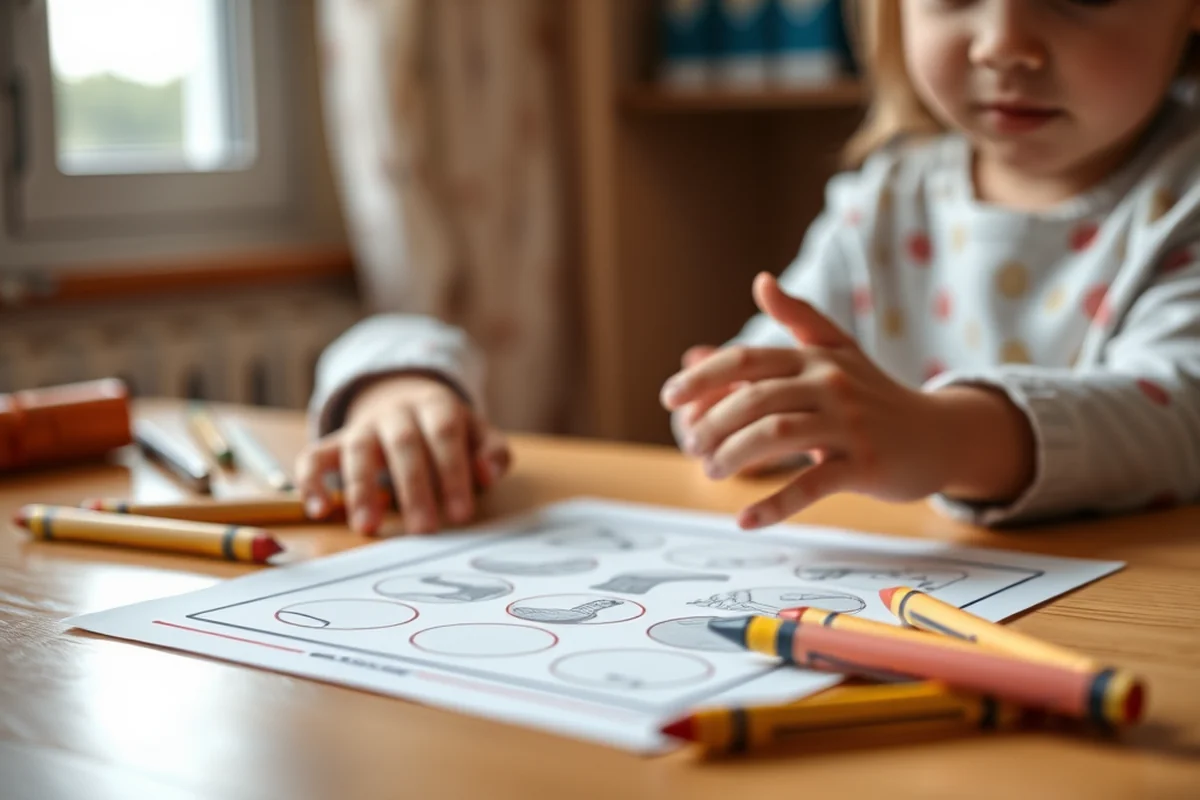
Board games for kids are powerful learning tools that help children develop a wide range of skills. These games often require players to think strategically, solve problems, and make decisions — all of which are essential for cognitive development. The interactive nature of board games for kids keeps children engaged and motivated to learn.
Social skills are another key area where board games for kids shine. When children play games with others, they learn to take turns, communicate effectively, and work as a team. These interactions are invaluable for building empathy, cooperation, and conflict resolution skills.
In addition to social and cognitive skills, board games for kids can also reinforce academic concepts such as counting, reading, and basic math. For example, a game that involves rolling dice and moving pieces can help children practice number recognition and addition. These games make learning more enjoyable and accessible for young minds.
Board games for kids are not just for fun — they're a gateway to learning that's both engaging and effective.
Related: Affordable learning games grade
Choosing the Right Board Games for Kids
Selecting the right board games for kids can be a bit tricky, but it's essential for maximizing their educational value. Start by considering your child's age and developmental stage. Younger children may benefit from simpler games with clear rules and minimal components, while older children can handle more complex games that challenge their problem-solving skills.
It's also important to choose games that align with your child's interests. If your child loves animals, look for games that incorporate animals or nature themes. If they're into space, consider games with a space or adventure theme. This not only makes the game more enjoyable but also helps reinforce learning in a way that's personally meaningful.
Finally, think about the learning goals you want to achieve. Are you looking to improve math skills, reading comprehension, or social interaction? Choosing board games for kids that support these goals can help create a more focused and effective learning experience.
When choosing board games for kids, look for those that explicitly mention educational benefits. Many games are designed to teach specific skills, such as counting, vocabulary, or strategy.
“When my son turned five, I found myself staring at a shelf of board games, unsure of how to connect them to the kind of…”— Sneakylearn editors
Related: Kids in the games
The Role of Parents in Board Game Learning
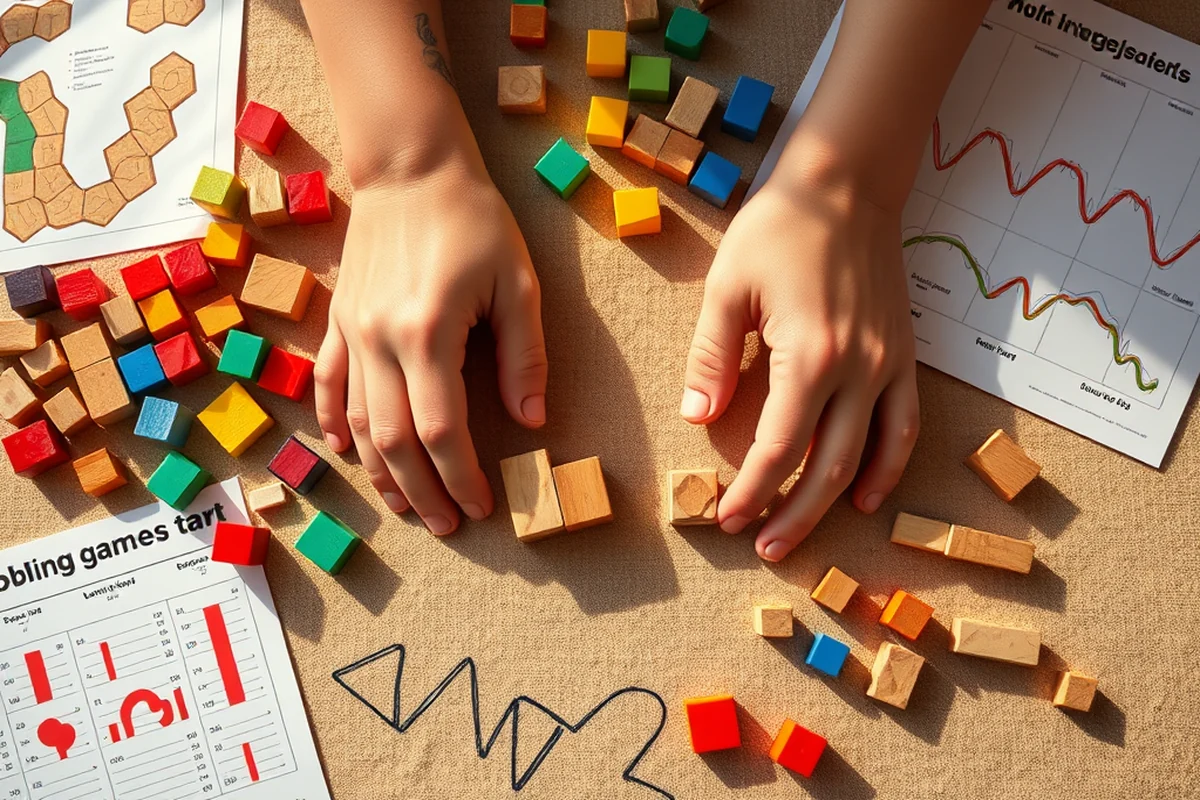
Parents are essential in maximizing the educational benefits of board games for kids. By participating in the game, parents can model positive behaviors, encourage strategic thinking, and provide guidance when needed. This involvement helps children feel supported and motivated to learn.
One of the most important roles parents can play is reinforcing the educational aspects of the game. For example, if a game involves counting, a parent can ask questions like, 'How many spaces did you move?' or 'What number is next?' This helps children connect the game to academic concepts in a meaningful way.
Also, parents can use board games for kids as a way to teach social skills and emotional intelligence. Encouraging children to take turns, celebrate others' successes, and handle setbacks gracefully can help build a strong foundation for future social interactions.
Related: Learning games grade checklist
The Benefits of Playing Board Games for Kids
The benefits of playing board games for kids are both immediate and long-lasting. These games help children develop cognitive skills such as memory, attention, and problem-solving abilities. By engaging in strategic thinking and decision-making, children learn to analyze situations and think critically.
In addition to cognitive development, board games for kids also promote social skills. Through interactions with other players, children learn to communicate effectively, collaborate, and manage conflicts. These social skills are essential for success in both school and life.
Studies have shown that children who regularly play board games for kids tend to perform better academically. The interactive nature of these games helps reinforce learning in a fun and engaging way, making it easier for children to grasp complex concepts.
Related: Quick learning games grade
Integrating Board Games into the Classroom
Integrating board games for kids into the classroom can be a powerful way to enhance learning. Teachers can use games to teach academic concepts in a fun and interactive way, making learning more engaging for students. These games also provide opportunities for students to work together, fostering collaboration and teamwork.
One of the greatest advantages of using board games for kids in the classroom is their ability to differentiate instruction. Teachers can choose games that match the learning levels of individual students, ensuring that each child is challenged appropriately. This personalized approach helps students build confidence and improve academic performance.
In addition to academic benefits, board games for kids can help create a positive classroom environment. These games encourage social interaction and provide students with a sense of accomplishment, making learning a more enjoyable experience for everyone involved.
Board games for kids bring the classroom to life, transforming abstract concepts into tangible experiences.
Related: Learning games by age grade that actually work
The Future of Board Games for Kids
As technology continues to evolve, the future of board games for kids is likely to include more interactive and educational games. These innovations will provide even more opportunities for children to learn through play, making the experience even more engaging and effective.
One of the most exciting developments in board games for kids is the integration of digital elements. Some games now include QR codes or augmented reality features that enhance the learning experience. These innovations make board games for kids more versatile and adaptable to different learning styles.
Looking ahead, the future of board games for kids will continue to focus on making learning fun and accessible. With new games being developed every year, the potential for using board games as educational tools is greater than ever before.
🧠 Younger Kids (Ages 3-5)
Simple, colorful games with clear rules that focus on counting, matching, and basic motor skills.
🧩 Older Kids (Ages 6-12)
More complex games that challenge critical thinking, strategy, and problem-solving skills.
⏱️ No-Prep Games
Quick and easy games that can be played with just a few materials and minimal setup time.
👥 Group Version
Games designed for larger groups that encourage collaboration and communication among players.
📚 Extension Activities
Activities that build on the learning from board games, such as journaling or creating new game scenarios.
| The mistake | Why it happens | The fix |
|---|---|---|
| Choosing games that are too difficult for the child's age. | Games that are too challenging can frustrate the child and discourage them from playing. | Select games that match the child's developmental stage and learning level. |
| Not engaging in the game with the child. | Parents or teachers who don't participate can miss opportunities to model behaviors and reinforce learning. | Actively participate in the game to guide the child and enhance the educational experience. |
| Ignoring the social aspect of the game. | Board games for kids are not just about learning — they're also about building social skills and relationships. | Encourage teamwork, communication, and cooperation during gameplay. |
| Focusing only on academic learning and ignoring fun. | Children need to enjoy the game in order to stay engaged and motivated to learn. | Balance learning with fun by choosing games that are both educational and entertaining. |
What Is Board Games For Kids
Common Questions
How do I know if a board game is suitable for my child's age?
Can board games for kids help with academic learning?
How can I use board games for kids in the classroom?
What are the benefits of playing board games for kids?
References
- 5 Mental Benefits of Board Games - The City of Asheville (ashevillenc.gov)
- Annual ESA Study Reveals Video Games' Universal Appeal Across ... (outreach.senate.gov)
Cite this guide
Sneakylearn (2026). What Is Board Games For Kids. https://sneakylearn.com/what-is-board-games-for-kids/
Feel free to cite or share this guide.