
Learning Games Printables Worksheets Ideas

📖 Table of Contents
- Why Learning Through Games and Printables Works So Well
- How to Choose the Right Learning Games Printables Worksheets Ideas
- Getting the Most Out of Learning Games Printables Worksheets Ideas
- The Benefits of Using Learning Games Printables Worksheets Ideas in the Classroom
- How to Incorporate Learning Games Printables Worksheets Ideas into Daily Routines
- Make It Your Way
- Frequently Asked Questions
I remember the day my son came home from preschool with a crumpled worksheet that had a drawing of a cat and a series of boxes. He proudly said, 'I did this!' and I realized that learning through games and printables wasn’t just a trend — it was a powerful way to engage young minds. It was then that I started collecting learning games printables worksheets ideas, and I’ve never looked back. These printables offer a fun and effective way to blend education with play, making learning something kids actually look forward to.
As a parent who’s spent countless hours searching for educational resources, I’ve learned that not all printables are created equal. Some are beautifully designed but lack depth, while others are overly complicated and hard to follow. What I’ve come to appreciate is a printable that strikes a perfect balance — one that’s engaging, adaptable, and easy to use. Whether you're a teacher looking for classroom activities or a parent trying to keep your child entertained with something educational, the right set of learning games printables worksheets ideas can make all the difference.[1]
Over the years, I’ve tested dozens of learning games printables worksheets ideas with my kids. I’ve found that the most successful ones are those that are interactive, hands-on, and tied to real-world concepts. I’ve seen my children learn to count with colorful number puzzles, spell words with magnetic letter games, and even understand basic geometry through shape sorting activities. These are the kinds of learning games printables worksheets ideas that don’t just teach — they inspire curiosity and foster a love of learning that lasts well beyond the classroom.
Why You'll Love This Collection of Learning Games Printables Worksheets Ideas
- They make learning feel like play, keeping kids engaged and motivated.
- They’re easy to customize and adapt to different learning levels and interests.
- They’re affordable and accessible, with many options available for free.
- They provide hands-on learning experiences that reinforce key concepts.
Why Learning Through Games and Printables Works So Well
As of November 2026, Studies show that children retain information better when it’s presented in a fun and interactive format. This is especially true for younger learners who are still developing their attention spans and problem-solving skills. For example, I’ve used printable board games that teach counting and basic addition. My son has been able to apply those concepts in real-life situations, like counting items while we’re at the grocery store.[2]
Hands-on learning through printables also helps children develop fine motor skills, hand-eye coordination, and spatial awareness. One of my favorite printables was a matching game that required my daughter to flip over cards and find pairs. Not only did she learn to recognize shapes and colors, but she also improved her ability to focus and concentrate for longer periods of time.
Another benefit of using learning games printables worksheets ideas is that they can be easily tailored to a child’s learning style and pace. If a child is struggling with a concept, I can print out additional practice sheets or create a game that reinforces that concept in a different way. This level of customization makes these tools incredibly valuable for both parents and teachers.
Try using a kitchen timer to set a challenge, like 'How many words can you match in 2 minutes?' This adds a fun competitive element and keeps the child engaged.
Part of our Learning games printables worksheets guide.
How to Choose the Right Learning Games Printables Worksheets Ideas

When choosing learning games printables worksheets ideas, it’s important to consider the child’s age, learning level, and interests. For example, if a child is fascinated by animals, look for printables that incorporate animal themes. I once found a set of printable matching games that featured different animals. My daughter was so excited to play with them that she didn’t even realize she was learning about classification and patterns.
Another key factor to consider is the quality of the printable. Look for printables that are clearly designed, with good contrast and legible fonts. I’ve found that high-quality printables are more effective because they reduce the chance of a child becoming frustrated or confused.
Finally, consider the educational value of the printable. A great printable should reinforce specific learning objectives, whether that’s counting, spelling, or problem-solving. I’ve used printables that teach phonics through interactive games, and I’ve seen a noticeable improvement in my child’s reading skills over time.
Choose printables that align with your child’s interests and learning goals — they’ll be more likely to engage with them.
Related: Affordable learning games printables
Getting the Most Out of Learning Games Printables Worksheets Ideas
One of the best ways to get the most out of learning games printables worksheets ideas is to use them in different formats. For example, a printable worksheet that teaches shapes can be used as a matching game, a sorting activity, or even a scavenger hunt around the house. I’ve found that varying the way a printable is used keeps the child interested and reinforces the learning objective in multiple ways.
Another tip is to involve the whole family in the learning process. I’ve had great success with printable games that are played during family time, like a board game that teaches math facts or a memory game that helps with vocabulary. These activities not only make learning fun but also create valuable bonding time.
Finally, consider using printables as part of a larger learning plan. For example, if a child is learning about the alphabet, use a printable worksheet that teaches letters, then follow it up with a game that reinforces letter recognition. This kind of structured approach helps build a strong foundation in key learning areas.
Create a printable chart that allows your child to earn stickers or stamps for completing tasks. This can help reinforce positive behavior and make learning feel like a reward.
“I remember the day my son came home from preschool with a crumpled worksheet that had a drawing of a cat and a series of…”— Sneakylearn editors
Related: Easy learning games printables
The Benefits of Using Learning Games Printables Worksheets Ideas in the Classroom
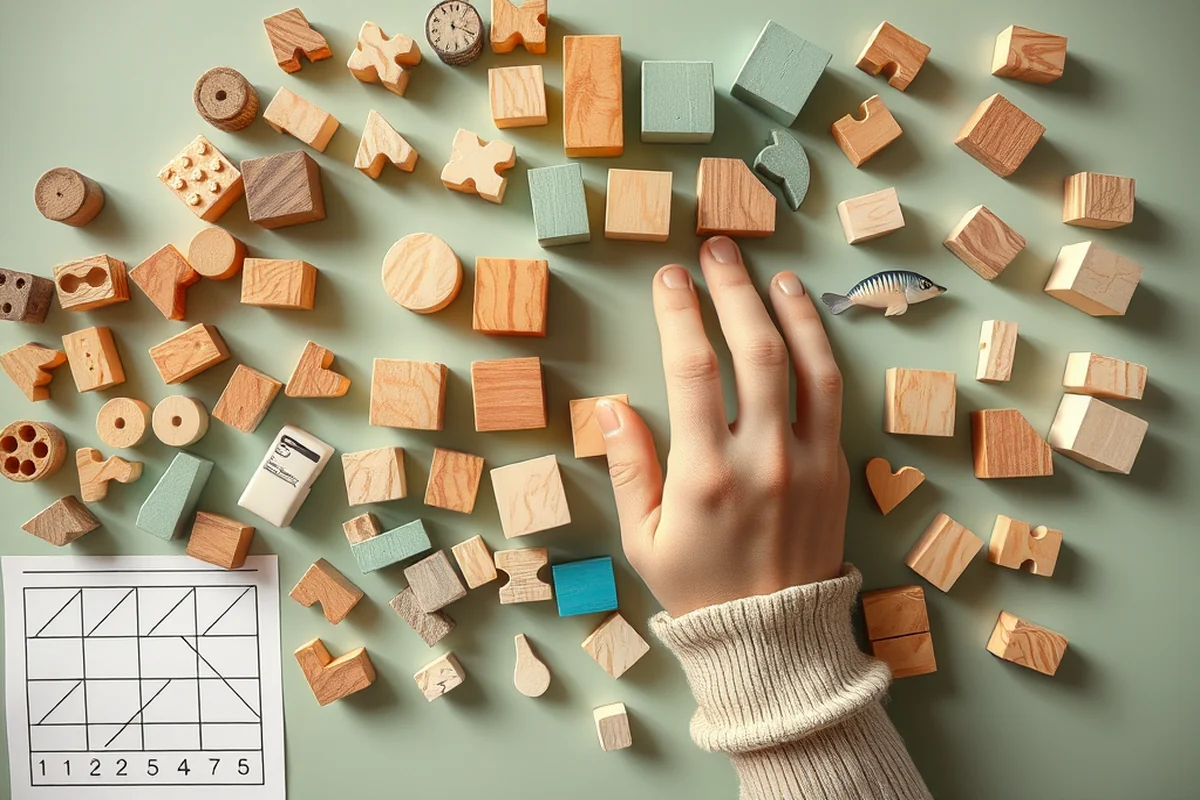
In the classroom, learning games printables worksheets ideas can be used to reinforce key concepts in a fun and interactive way. Teachers can create printables that align with lesson plans, making learning more engaging for students. I’ve seen teachers use printable games to teach fractions, and I’ve been amazed at how quickly students grasp the concept when it’s presented in a game format.
Printables are also a great way to differentiate instruction. Teachers can create printables that cater to different learning styles and abilities, ensuring that every student has the opportunity to succeed. For example, a teacher might create a printable worksheet that includes both visual and tactile elements, helping students with different learning needs to grasp the material.
Another benefit of using printables in the classroom is that they can be easily shared and stored. Teachers can print out multiple copies of a worksheet or game and store them for future use. This makes printables a cost-effective and practical solution for educators who are always looking for new and creative ways to engage their students.
Related: Best learning games worksheets
How to Incorporate Learning Games Printables Worksheets Ideas into Daily Routines
One of the best ways to make learning through printables a part of your child’s daily routine is to use them during mealtime or snack time. For example, I’ve used printable counting games that involve counting the number of snacks on a plate or matching colors of fruits and vegetables. This not only makes learning fun but also helps reinforce important concepts in a real-world context.
Another effective way to incorporate printables into daily routines is to use them during transitions, like waiting in line for the bus or during car rides. I’ve created a set of printable word games that can be played while we’re in the car. My children love the challenge of trying to think of words that start with the same letter.
Finally, consider using printables as part of your child’s bedtime routine. I’ve used printable stories that my child can color and read before going to sleep. This helps create a calming and educational wind-down, and it also gives my child a sense of accomplishment.
🧩 Shape Sorting for Preschoolers
A printable puzzle that teaches basic shapes, perfect for younger children just beginning to explore geometry.
📚 Word Matching for Early Readers
A set of printables that help children recognize and match words with their corresponding images.
🧮 No-Prep Math Game
A self-contained math printable that requires no additional materials and is perfect for on-the-go learning.
👥 Group Activity for Classroom Learning
A printable board game designed for multiple players, ideal for classroom use and collaborative learning.
🔬 Science Exploration Printables
A set of printables that introduce basic scientific concepts through interactive experiments and observations.
| The mistake | Why it happens | The fix |
|---|---|---|
| Using printables that are too advanced for the child’s learning level. | This can lead to frustration and a lack of engagement, as the child may not understand the concepts being taught. | Choose printables that are appropriate for the child’s age and learning level, ensuring that they are both challenging and achievable. |
| Not providing enough guidance or support when using printables. | Children may become confused or frustrated if they don’t receive proper guidance, which can lead to a negative learning experience. | Be present and involved when using printables, offering support and encouragement as needed. |
| Relying too heavily on printables without incorporating other learning methods. | Children need a variety of learning experiences to develop a well-rounded understanding of concepts. | Use printables as one of many learning tools, incorporating hands-on activities, books, and real-world experiences into the learning process. |
| Using low-quality printables that are difficult to read or understand. | Low-quality printables can be confusing and may hinder the child’s learning experience. | Choose high-quality printables with clear fonts, good contrast, and well-designed layouts to ensure that they are easy to use and understand. |
Related: Simple learning games printables worksheets
Learning Games Printables Worksheets Ideas
Related: Quick learning games printables
Common Questions
Are these printables suitable for all ages?
Can I print these worksheets on colored paper?
Are the printables easy to assemble?
Can I use these printables for homeschooling?
References
- LEARNING BEGINS AT BIRTH - Nebraska Department of Education (education.ne.gov)
- The Effect of Using Educational Games on the Students ... - ERIC (files.eric.ed.gov)
Cite this guide
Sneakylearn (2026). Learning Games Printables Worksheets Ideas. https://sneakylearn.com/learning-games-printables-worksheets-ideas/
Feel free to cite or share this guide.
Learning Game Matcher
Quiz that matches a child to a learning-game style (board, movement, card, pretend, puzzle) with concrete game picks.
Open it free →