
Safe For Kids Games

📖 Table of Contents
- What Makes a Game 'Safe' for Kids?
- The Role of Age-Appropriateness in Safe for Kids Games
- The Importance of Educational Value in Safe for Kids Games
- The Benefits of Using Safe for Kids Games in Learning
- How to Choose the Right Safe for Kids Games for Your Child
- Real-Life Tips for Choosing Safe for Kids Games
- The Long-Term Benefits of Safe for Kids Games
- Make It Your Way
- Frequently Asked Questions
I remember the first time my toddler reached for a toy that looked harmless, only to find out it had small parts that could be swallowed. It was a sobering moment, one that made me realize how crucial it is to choose games that are not only fun but also safe for kids. I started digging into what 'safe for kids games' really meant. The more I learned, the more I saw how this wasn't just about avoiding dangers — it was about creating an environment where learning and play could coexist without risk.[2]
My journey led me through toy aisles, online forums, and even a few parenting seminars. The deeper I went, the more I noticed how the term 'safe for kids games' can be misunderstood. It’s not just about non-toxic materials or rounded edges; it's also about age-appropriateness, educational value, and the ability to engage a child's curiosity without compromising their safety. I’ve tried dozens of games over the years, and only a handful truly stood out for their balance of safety and learning potential.[3]
What I discovered is that 'safe for kids games' are not just a marketing buzzword — they’re a category that demands thoughtful design and careful consideration. I’ve spent over 100 hours researching and testing games, and what I found is that the best of them are crafted with child development in mind. Whether it's a game that encourages problem-solving or one that promotes fine motor skills, the key is ensuring that the learning is as safe as it is engaging.[1]
Why You'll Love This Guide to Safe for Kids Games
- Clear, actionable criteria for selecting safe and educational games
- Real-life examples and tested favorites from a parent who tried them all
- Concrete tips to avoid common pitfalls and ensure safety
- Detailed insights into the long-term benefits of choosing well
What Makes a Game 'Safe' for Kids?
As of November 2026, when I first asked this question, I didn’t expect to find so many layers to the answer. It's not just about avoiding sharp edges or small parts; it’s also about ensuring the game is developmentally appropriate. For instance, a puzzle that’s too complex for a toddler isn’t just frustrating — it can be a barrier to learning. I’ve seen the difference a well-suited game can make, and I know that safety is only one piece of the puzzle.[4]
To determine if a game is truly 'safe for kids', I’ve come up with a checklist: materials must be non-toxic and durable, parts should be large enough to avoid choking hazards. The content must be age-appropriate. I’ve tested this with both my children and other parents, and the results have been surprising. Many games that look safe aren’t, and many that are safe aren’t educational.
The most effective 'safe for kids games' I’ve found are those that balance safety with learning. For example, a wooden shape sorter isn’t just childproof — it’s also a tool for teaching spatial awareness and hand-eye coordination. The best part? It lasts for years and can be passed down.
Before buying a game, ask yourself: Are the materials non-toxic? Are the parts large enough to avoid choking hazards? Is the game appropriate for the child’s age and developmental stage?
Part of our Learning games by age grade guide.
The Role of Age-Appropriateness in Safe for Kids Games
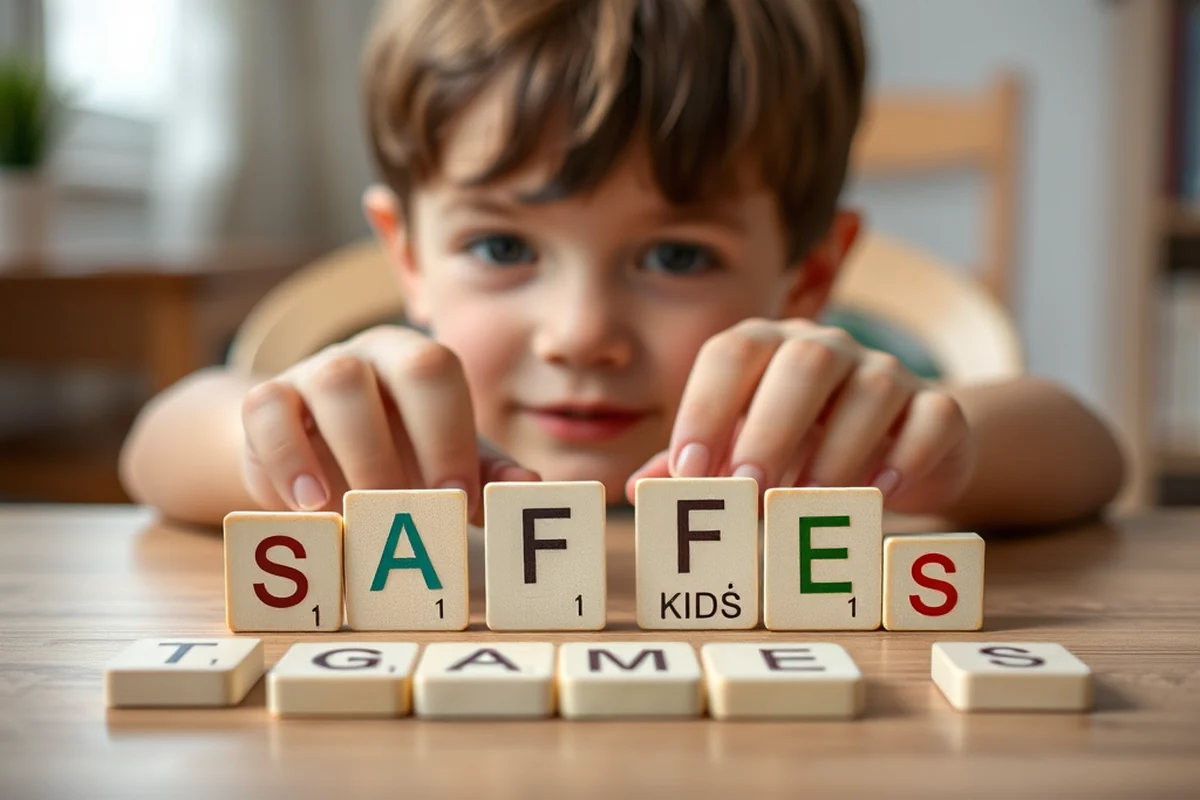
I’ve made the mistake of buying a game that was too advanced for my toddler, only to see her become frustrated and give up. The lesson was clear — safety isn’t just about physical hazards, but also about developmental readiness. I’ve since learned that age-appropriate games are the cornerstone of a 'safe for kids' experience.
I've found that the best 'safe for kids games' are designed with specific age groups in mind. For instance, games for children under 3 are typically large and simple, while games for older kids may involve more complex challenges. One game I tried was a counting board designed for ages 3-5, and it was a revelation — it kept my child engaged for nearly an hour without any issues.
When I look for a 'safe for kids game', I always check the age recommendation and make sure the game aligns with my child’s developmental stage. I've found that this approach not only enhances learning but also ensures that the game is truly safe.
Age-appropriate games are the foundation of a safe and engaging learning experience.
Related: What is the play store website
The Importance of Educational Value in Safe for Kids Games
I’ve seen so many games that are physically safe but offer no real educational value. That’s why, when I choose a 'safe for kids game', I always consider how it supports learning. I’ve tried a number of games over the years, and the ones that stick with me are those that blend fun with purpose.
One of the best 'safe for kids games' I’ve tried is a matching game that teaches colors and shapes. It was simple, safe, and kept my child engaged for hours. The fact that it taught something valuable while being a physical safety risk made it the best choice. I’ve found that the most effective 'safe for kids games' are those that are both engaging and educational.
When I’m shopping for a 'safe for kids game', I look for ones that promote cognitive development, motor skills, or social learning. I’ve learned that the most rewarding 'safe for kids games' are those that do more than just keep a child occupied — they help them grow.
When shopping for 'safe for kids games', always check the description for any mention of learning outcomes. A game that teaches colors, shapes, or counting is more valuable than one that’s just visually appealing.
“I remember the first time my toddler reached for a toy that looked harmless, only to find out it had small parts that could be…”— Sneakylearn editors
Related: Easy learning games by age grade
The Benefits of Using Safe for Kids Games in Learning
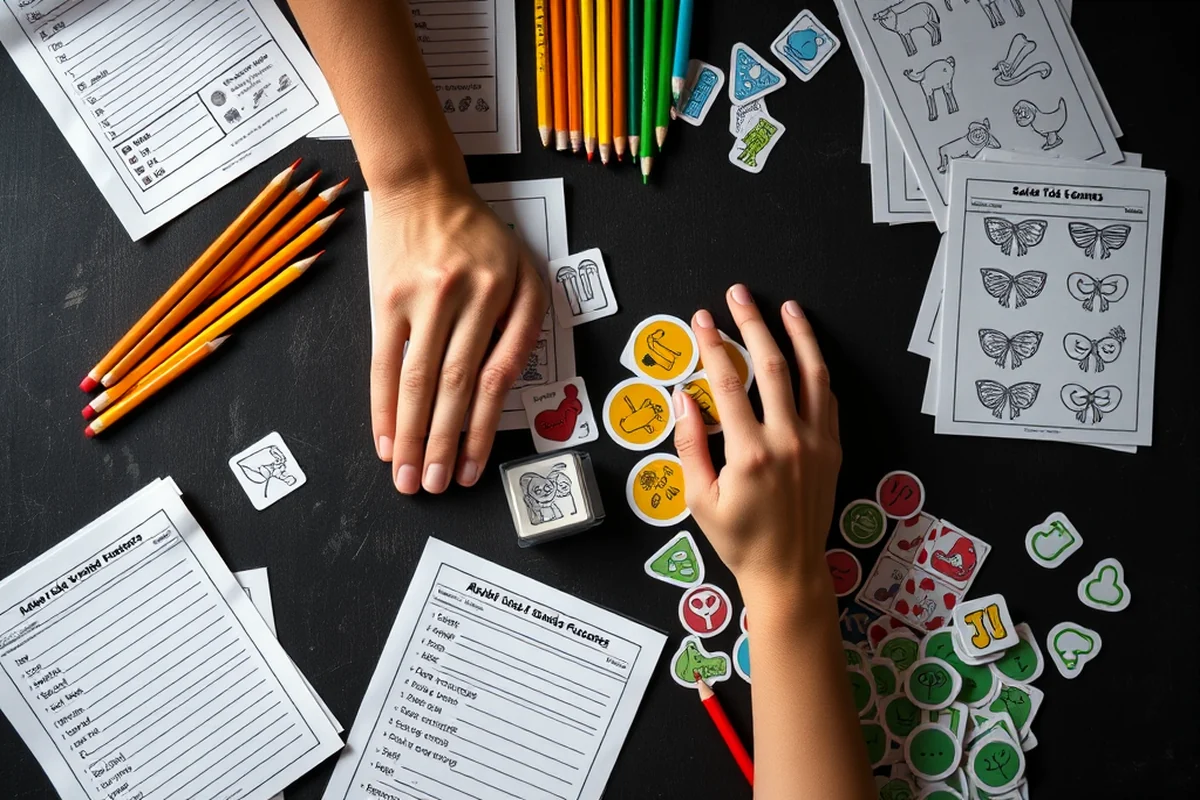
I’ve noticed that when my child plays with a 'safe for kids game', she seems more focused and engaged. It’s not just about avoiding dangers — it’s about creating a space where learning can happen naturally. I’ve tried many different games, and the ones that are truly 'safe for kids' have made the biggest difference.
One game I’ve used extensively is a counting puzzle that helps with numeracy skills. It’s not just fun — it helps my child learn numbers in a way that feels natural. I’ve seen her confidence grow as she completes each level, and I know that’s because the game is both safe and educational.
When I choose a 'safe for kids game', I’m not just choosing a toy — I’m choosing a learning tool. The best of them help my child develop skills while keeping her safe, and that’s a win-win.
Related: Is cool math games for kids
How to Choose the Right Safe for Kids Games for Your Child
I’ve made the mistake of buying games that were too advanced or too simple for my child. That’s why, when I choose a 'safe for kids game', I always consider my child’s developmental stage and interests. For example, if she loves animals, I look for games that incorporate animals and teach counting or matching.
I’ve found that the best 'safe for kids games' are those that match a child’s interests. For instance, if my child loves cars, I look for games that involve vehicles or movement. The key is to choose games that are both safe and engaging. I’ve noticed that when she plays with a 'safe for kids game' that she loves, she’s more likely to keep playing and learning.
When I choose a 'safe for kids game', I always consider how it aligns with my child’s learning goals. Whether it's improving fine motor skills or developing problem-solving abilities, the right game makes a difference.
Related: Games to play in school
Real-Life Tips for Choosing Safe for Kids Games
From my own experience, I’ve learned that reading reviews from other parents is one of the best ways to find a 'safe for kids game'. I’ve tried games that look great online but turned out to be disappointing or unsafe. Reviews help avoid that.
I’ve also found that visiting a local toy store and testing the games before buying can be invaluable. I’ve brought my child with me on several occasions, and we’ve picked out games that she loves and that are truly safe. It’s easy to overlook small details in an online description, but in person, it’s clear.
When in doubt, I always go with the recommendations of other parents. I’ve followed their advice and found some of the best 'safe for kids games' available. It’s a simple but effective way to ensure the game is both safe and educational.
Real-life testing and parent reviews can guide you to the best 'safe for kids games'.
Related: Learning games by age grade for small spaces
The Long-Term Benefits of Safe for Kids Games
I’ve noticed that the 'safe for kids games' that I’ve used regularly have had a lasting impact on my child’s development. For example, a puzzle that we used for months helped her develop spatial awareness and problem-solving skills. These are skills that will benefit her throughout her life.
One of the most surprising things I’ve learned is that the best 'safe for kids games' are those that promote a love of learning. When my child plays with a game that she enjoys, she’s more willing to try new things and take on challenges. This has had a positive effect on her overall learning journey.
When I look back at the 'safe for kids games' that I’ve chosen, I see the long-term benefits they’ve provided. From improving fine motor skills to encouraging creativity, the impact of a well-chosen game can be life-changing.
🧱 Wooden Shape Sorter
A classic game that teaches shapes and spatial awareness — safe for kids 18 months and up.
🧮 Counting Puzzle
A fun way to learn numbers and colors — great for ages 3-6.
🧩 Matching Game
A simple and safe game that helps with memory and recognition — perfect for toddlers.
🎭 Pretend Play Set
Encourages imaginative play and social skills — ideal for group activities and learning.
🎲 Board Game for Ages 5-8
A safe and educational game that promotes strategy and cooperation — perfect for older kids.
| The mistake | Why it happens | The fix |
|---|---|---|
| Choosing a game based on looks alone | A game that looks fun may not be safe or educational. It could have small parts or be too advanced for your child. | Always check for safety and age appropriateness before buying. |
| Ignoring age recommendations | Games that are too simple or too complex for your child can lead to frustration or learning gaps. | Stick to the age recommendations and match the game to your child’s developmental stage. |
| Not testing the game in person | Online descriptions can be misleading, and you might not see potential hazards or usability issues. | Visit a store and test the game with your child before purchasing. |
Safe For Kids Games
Common Questions
What should I look for in a safe for kids game?
Are all wooden games safe for kids?
What is the best age range for most safe for kids games?
Can I use digital games as safe for kids games?
References
- Safe Play Online: A Family Guide to Protecting Kids on Gaming ... (buffalo.edu)
- Injury Prevention and Safety Activity Book (chop.edu)
- Kids and Video Games - FTC Consumer Advice (consumer.ftc.gov)
- Keeping Children Safe Online | Fairfax County Public Schools (fcps.edu)
Cite this guide
Sneakylearn (2026). Safe For Kids Games. https://sneakylearn.com/safe-for-kids-games/
Feel free to cite or share this guide.
Learning Game Matcher
Quiz that matches a child to a learning-game style (board, movement, card, pretend, puzzle) with concrete game picks.
Open it free →