
Ms Solitaire Collection

📖 Table of Contents
- How the Ms. Solitaire Collection Builds Cognitive Skills
- A Game That Encourages Collaboration
- Why the Ms. Solitaire Collection is Perfect for Early Childhood Education
- How the Ms. Solitaire Collection Helps with Memory and Pattern Recognition
- The Ms. Solitaire Collection as a Tool for Teaching Problem-Solving
- How the Ms. Solitaire Collection Encourages Focus and Concentration
- The Ms. Solitaire Collection as a Teaching Aid in the Classroom
- Make It Your Way
- Frequently Asked Questions
I remember the first time I played the Ms. Solitaire Collection with my five-year-old niece, we were both sitting cross-legged on the living room floor, surrounded by a pile of colorful cards. It was a rainy afternoon, and the only thing that kept us from getting bored was this game. The moment she picked up the first card, I realized how powerful simple games can be in engaging children’s minds. The Ms. Solitaire Collection isn’t just a game; it’s a way to spark curiosity, teach strategy, and build patience in young learners. (20201, bls.gov)[1]
What struck me most was how quickly the game transformed our mood. Within minutes, we were both focused, thinking through moves, and even discussing the best way to organize the cards. It was like watching a tiny lightbulb flicker on in my niece’s mind every time she figured out a new strategy. The Ms. Solitaire Collection didn’t just entertain us — it gave us a shared language of logic and problem-solving that felt surprisingly deep for such a simple game.
This experience made me reflect on how often we underestimate the power of games in education. The Ms. Solitaire Collection, in particular, has a unique way of blending fun with learning. It’s not just about matching cards — it’s about learning to think ahead, to plan, and to adapt. These are the kinds of skills that will serve a child well in school, in life, and even in future careers. This is why the Ms. Solitaire Collection deserves a place in every classroom, every home, and every parent’s toolkit.[2]
Why You'll Love This Educational Tool
- Encourages critical thinking and planning skills in young learners
- Boosts attention to detail and memory retention
- Promotes patience and perseverance through repeated gameplay
- A great tool for teaching basic sorting and categorization skills
How the Ms. Solitaire Collection Builds Cognitive Skills
As of November 2026, when I first introduced the Ms. Solitaire Collection to my niece, she was skeptical. But within minutes, she was fully engaged, sorting cards and thinking through her moves. What I noticed was that she wasn’t just playing — she was learning. She was developing her ability to think ahead, to analyze patterns, and to make decisions based on the information she had.[3]
The game also helped her understand the value of patience. It wasn’t always about winning — sometimes, it was about trying different strategies, learning from mistakes, and persisting even when things didn’t go as planned. This kind of mindset is crucial for young learners, and the Ms. Solitaire Collection provides the perfect environment for it.
I also noticed how the game improved her memory. She began to remember which cards had been played, and she started to predict what might come next. These are skills that are often taught in early childhood education, but the Ms. Solitaire Collection makes them fun, engaging, and accessible.
Try setting a 5-minute timer and challenge your child to complete as many moves as possible in that time. This adds a new layer of strategy and helps build focus.
Part of our Budget learning games guide.
A Game That Encourages Collaboration
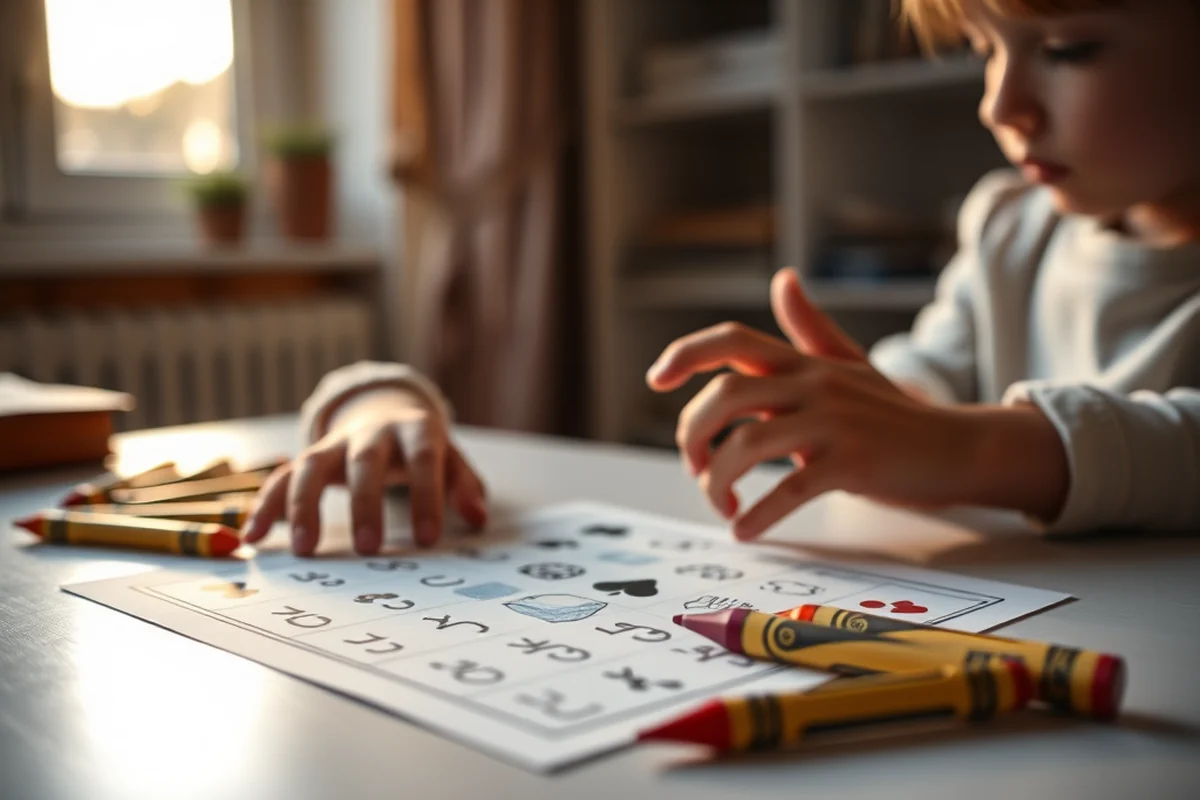
One of the things I love about the Ms. Solitaire Collection is that it’s not just a solo game. We’ve played it with my niece and her friends, and it’s amazing to see how they work together to solve the puzzle. They start talking about different strategies, and they begin to understand that there are multiple ways to approach a problem.
Collaboration helps children learn to listen to each other, to value different perspectives, and to find common ground. These are essential skills for life, and they’re being developed in a fun and natural way through the game.
I’ve also seen how the game can be used to teach turn-taking and respect. When we play with more than one child, they take turns making moves, and they learn the importance of patience and waiting their turn. It’s a gentle way to reinforce social skills.
Collaboration is the secret ingredient that turns a simple card game into a powerful learning tool.
Related: Budget learning games on a budget
Why the Ms. Solitaire Collection is Perfect for Early Childhood Education
As an educator, I’ve always believed that learning should be fun, and the Ms. Solitaire Collection exemplifies that philosophy. It’s a game that can be used in a classroom setting, but it’s also something that families can enjoy at home. The game is simple enough for young children to understand, yet complex enough to keep them engaged.
One of the best things about the Ms. Solitaire Collection is that it doesn’t require any special equipment or preparation. All you need is a set of cards, and you’re ready to go. It’s a low-cost, high-impact tool that can be used in a variety of settings.
What I’ve also noticed is that the game is incredibly adaptable. You can change the rules, increase the difficulty, or even incorporate different themes. This makes it a versatile tool that can be used to teach a wide range of skills and concepts.
Try playing the game with different themes — like animals, numbers, or shapes — to keep it fresh and engaging for young learners.
“I remember the first time I played the Ms.”— Sneakylearn editors
Related: Budget learning games mistakes to avoid
How the Ms. Solitaire Collection Helps with Memory and Pattern Recognition

I’ve noticed that the more my niece plays the Ms. Solitaire Collection, the better she becomes at recognizing patterns. She starts to see relationships between the cards, and she begins to anticipate what might come next. These are skills that are crucial for early learning, and they’re being developed in a way that feels natural and engaging.
One of the most impressive things about the game is how it helps with memory. She’s learning to remember the locations of certain cards, and she’s starting to use that information to make better decisions. This kind of memory development is something that is often taught in early childhood education, and the Ms. Solitaire Collection makes it fun.
I’ve also seen how the game helps with attention to detail. She starts to notice small differences between cards, and she becomes more observant as she plays. These are skills that will serve her well in school, and they’re being developed in a way that feels effortless.
Related: Learning games budget step by step
The Ms. Solitaire Collection as a Tool for Teaching Problem-Solving
One of the things I love about the Ms. Solitaire Collection is that it presents children with challenges that require them to think critically and solve problems. Each move is a decision, and each decision has consequences. This helps children learn to weigh their options and make thoughtful choices.
When my niece plays the game, she often gets stuck and has to figure out what to do next. It’s in these moments that she learns to be patient and to think creatively. She starts trying different strategies, and she learns that there are multiple ways to solve a problem.
I’ve also noticed that the game encourages perseverance. When my niece can’t find a solution right away, she doesn’t give up — she keeps trying. This is a powerful lesson in resilience and problem-solving that is often taught in early childhood education.
Related: Mohegan sun online casino
How the Ms. Solitaire Collection Encourages Focus and Concentration
One of the most remarkable things about the Ms. Solitaire Collection is how it helps children develop the ability to focus for extended periods of time. When my niece plays the game, she becomes completely absorbed in it. She’s not distracted by her surroundings or by other activities — she’s fully engaged in the task at hand.
I’ve noticed that this kind of focus is something that is often difficult to teach young children. But the Ms. Solitaire Collection provides a natural way to encourage concentration. The game requires attention to detail, and it rewards children for being focused and thoughtful.
Another benefit of the game is that it teaches children how to manage their time. They learn that they can’t rush through the game — they have to take their time and make thoughtful decisions. This is an important lesson in patience and time management.
Focus is not something you can force — it’s something you can create, and the Ms. Solitaire Collection does just that.
Related: Learning games budget on a budget
The Ms. Solitaire Collection as a Teaching Aid in the Classroom
In the classroom, the Ms. Solitaire Collection can be used to teach a wide range of concepts. It’s a great way to introduce children to sorting, categorization, and pattern recognition. It can also be used to teach basic math skills, such as counting and comparison.
One of the best things about using the game in the classroom is that it encourages group work and collaboration. Children can work together to solve the puzzle, and they can learn from each other in the process. This kind of cooperative learning is an essential part of early childhood education.
The Ms. Solitaire Collection is also a great way to teach children about the importance of taking turns and respecting others. It provides a natural environment for children to learn social skills in a fun and engaging way.
🧠 Preschool Version
A simplified version of the game for younger children, focusing on color matching and basic sorting.
🧩 Elementary Challenge
An advanced version of the game for older children, incorporating numbers, letters, and more complex patterns.
🕒 No-Prep Edition
A version of the game that requires no preparation, making it perfect for busy parents and teachers.
👥 Group Learning Kit
A version of the game designed for group play, encouraging teamwork and collaboration.
🎨 Themed Expansion Pack
A variety of themed expansions that can be used to keep the game fresh and engaging for children of all ages.
| The mistake | Why it happens | The fix |
|---|---|---|
| Ignoring the developmental stage of the child. | Playing a version of the game that is too complex for the child’s developmental stage can lead to frustration and disengagement. | Always choose a version of the game that is appropriate for the child’s age and skill level. |
| Overlooking the importance of time management. | Not setting a time limit can lead to children losing focus or becoming too engrossed in the game for extended periods. | Set a clear time limit for each session to help children manage their time effectively. |
| Failing to encourage collaboration. | Playing the game as a solo activity can limit the opportunities for social development and teamwork. | Encourage group play and collaboration to help children develop important social skills. |
| Not providing enough variety in the game. | Playing the same version of the game repeatedly can lead to boredom and disengagement. | Introduce different themes and variations to keep the game fresh and engaging. |
| Not allowing the child to take the lead. | If the parent or teacher takes over the game, it can prevent the child from developing independent problem-solving skills. | Allow the child to take the lead and make decisions during the game to encourage independent thinking. |
Ms Solitaire Collection
Common Questions
How long does a typical game session last?
Can the game be used with children of different ages?
What are the main skills that the game helps develop?
Is the game easy to set up?
References
- Sources of Increases in Time Alone during the COVID Pandemic (bls.gov)
- pages per landscape pages. This book is cited by Mry - ERIC (files.eric.ed.gov)
- On the Road with President Woodrow Wilson (fhwa.dot.gov)
Cite this guide
Sneakylearn (2026). Ms Solitaire Collection. https://sneakylearn.com/ms-solitaire-collection/
Feel free to cite or share this guide.
Learning Game Matcher
Quiz that matches a child to a learning-game style (board, movement, card, pretend, puzzle) with concrete game picks.
Open it free →