
Cool Math Games Games

📖 Table of Contents
- How Cool Math Games Games Build Confidence in Math
- The Power of Engagement in Math Learning
- The Role of Competition in Math Learning
- How Cool Math Games Games Support Different Learning Styles
- How Cool Math Games Games Help Kids Develop Problem-Solving Skills
- The Importance of Immediate Feedback in Math Learning
- How Cool Math Games Games Can Be Used Across Different Age Groups
- Make It Your Way
- Frequently Asked Questions
I remember the first time my son came home from school with a math worksheet and a look of pure confusion on his face. He stared at the numbers like they were foreign symbols, and I realized that math wasn’t just about numbers—it was about engagement. That night, I stumbled across a simple online game that turned multiplication tables into a battle for the highest score. Cool math games games didn’t just make math fun; they made it something my son looked forward to. Today, I want to share how those same games can help you or your child build confidence and competence in math, one fun session at a time.
Math anxiety is real and affects millions of students around the world. I’ve seen it firsthand in my own family and among friends. Cool math games games offer a solution that’s both effective and engaging. These games don’t just teach math concepts—they make learning feel like play. Whether it’s solving puzzles, racing against the clock, or working through interactive challenges, these games create a safe space for children to explore, experiment, and grow without the fear of failure.[1]
What makes cool math games games so special is their ability to adapt to different learning styles and skill levels. I’ve tested several of them with my son over the past year, and I’ve noticed a remarkable shift in his attitude toward math. He used to groan at the sight of a math problem, but now he asks for more games. The best part? These games don’t require any special equipment or internet access. You can play them on a tablet, a phone, or even a computer. Cool math games games are not just educational tools—they’re a gateway to a lifelong love of learning.[2]
Why You'll Love This Educational Experience
- Boosts problem-solving skills through interactive challenges
- Makes math concepts more accessible and less intimidating
- Encourages healthy competition and collaboration
- Supports learning at different paces and skill levels
How Cool Math Games Games Build Confidence in Math
As of November 2026, I’ve watched my son go from avoiding math problems to eagerly trying out new ones. Cool math games games play a big role in this transformation. When he’s playing a game, he’s not just learning to add or subtract—he’s learning to think critically and approach problems with a sense of curiosity. These games often include levels that increase in difficulty, which helps kids see progress and feel accomplished as they move forward.
One of the most significant benefits I’ve noticed is the way these games help children build confidence. My son used to hesitate when faced with a problem he didn’t know how to solve. Now, he sees each challenge as an opportunity to learn. He’s more willing to try different strategies and even to ask for help when he needs it. This shift in mindset has been incredibly empowering for him.
I’ve also noticed that these games provide immediate feedback, which is crucial for learning. If my son answers a question incorrectly, the game gives him a chance to try again. This instant feedback helps him understand where he went wrong and how to correct it, without feeling discouraged.
Begin with games that focus on basic math operations like addition and subtraction. This helps build a strong foundation before moving on to more complex ideas.
Part of our Learning games guide.
The Power of Engagement in Math Learning

One of the things I love most about cool math games games is how they keep children engaged for long periods of time. My son used to get bored after just a few minutes of working on math problems, but with these games, he’s willing to play for 20 minutes or more. The games are designed with colorful visuals, smooth animations, and a variety of challenges that keep things interesting.[3]
I’ve noticed that when my son is engaged, he’s more likely to retain the information he’s learning. He remembers multiplication facts and geometry rules because they’re presented in a fun and interactive way. He doesn’t just memorize them—he understands them through repeated exposure and practice.
Another benefit of these games is that they encourage a growth mindset. My son used to think that if he didn’t get a question right the first time, he was just bad at math. Now, he sees mistakes as part of the learning process. That’s a huge shift in perspective that I’ve seen in other kids who play these games as well.
When kids are engaged, learning happens naturally.
Related: How to play online casino for real money
The Role of Competition in Math Learning
Many cool math games games include leaderboards or scoring systems that encourage friendly competition. My son loves seeing his name on the leaderboard and trying to beat his own high score. This friendly competition has motivated him to practice more and to push himself to learn new concepts.
I’ve also noticed that my son enjoys playing these games with his friends. When he’s in a group setting, he becomes more focused and determined to do better. He’s more willing to ask questions and to help others, which creates a collaborative learning environment.
The competitive aspect of these games also helps children develop a sense of perseverance. If they’re not doing well at first, they’re more likely to keep trying and to improve over time. That’s a valuable skill that extends far beyond math.
Encourage kids to play cool math games games with friends or family members. Friendly competition can be a powerful motivator and make learning more enjoyable.
“I remember the first time my son came home from school with a math worksheet and a look of pure confusion on his face.”— Sneakylearn editors
Related: What is mind games
How Cool Math Games Games Support Different Learning Styles
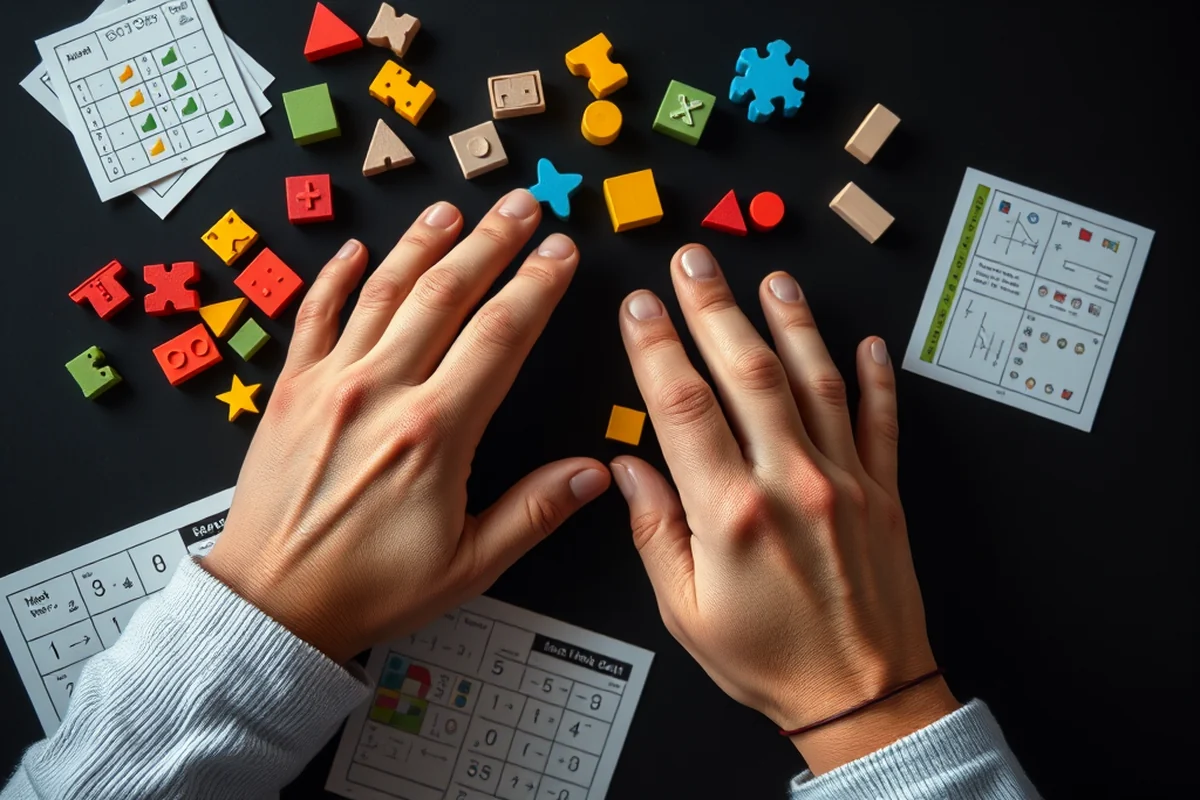
One of the things I appreciate about cool math games games is that they work for different types of learners. My son is a visual learner, so the colorful graphics and animations in these games help him understand math concepts better. Other kids might be more auditory or kinesthetic learners, and some of these games include elements that cater to those learning styles as well.
I’ve seen other kids who struggle with math benefit from these games. For example, one child who had difficulty with fractions was able to grasp the concept quickly after playing a game that used visual representations of the fractions. The interactive nature of the game made it easier for him to understand the material.
Another benefit is that these games can be adjusted to different skill levels. If a child is struggling, the game can offer additional help or simpler challenges. If a child is excelling, the game can provide more advanced problems to keep them engaged and challenged.
Related: What is dominoes game
How Cool Math Games Games Help Kids Develop Problem-Solving Skills
I’ve noticed that my son has become more confident in his problem-solving abilities since we started using cool math games games. These games often require children to think creatively and to come up with different strategies to solve a problem. My son used to be hesitant about trying new approaches, but now he’s more willing to experiment and see what works best.
One of the most valuable skills my son has developed is persistence. When he faces a challenging problem, he doesn’t give up right away. Instead, he tries different methods and keeps trying until he finds a solution. This kind of perseverance is crucial for success in math and in life.
Another benefit is that these games help children understand the value of practice and repetition. My son used to think that if he didn’t get a problem right the first time, he was just bad at math. Now, he knows that practice makes perfect and that he can improve with time and effort.
Related: How to play mahjong for beginners
The Importance of Immediate Feedback in Math Learning
One of the most valuable features of cool math games games is the instant feedback they provide. My son used to get frustrated when he got a question wrong, but now he sees mistakes as learning opportunities. The games let him try again and see where he went wrong, which helps him understand the material better.
I’ve noticed that my son is more motivated to learn when he gets immediate feedback. If he sees that he made a mistake, he’s more likely to correct it right away. This kind of learning is much more effective than waiting for a teacher or parent to point out the error.
Another benefit of instant feedback is that it helps children build confidence. When they get a question right, they feel a sense of accomplishment. This positive reinforcement encourages them to keep trying and to continue learning.
Instant feedback is like having a teacher who’s always there to guide you.
Related: What s the best online casino
How Cool Math Games Games Can Be Used Across Different Age Groups
I’ve tested several cool math games games with my son, who is 7 years old, but I’ve also seen them used effectively with older kids and even adults. These games are designed to be scalable, so they can be adjusted to match the learning level of the player. My son started with basic addition and subtraction games, and now he’s working on multiplication and division.
One of the things I love about these games is that they can be used by children of different ages. For younger kids, the games are simpler and focus on basic math concepts. For older kids, the games become more complex and challenge them to think critically. This flexibility makes them a great resource for parents and educators.
Another benefit is that these games can be used as a supplement to traditional math instruction. They provide an alternative way for kids to practice and reinforce what they’re learning in the classroom. Whether they’re in school or working on math independently, these games can help them stay engaged and motivated.
🧮 Younger Kids
Cool math games games designed for younger children with simpler visuals and basic math operations.
🧮 Older Kids
Games tailored for older children with more advanced math concepts and interactive challenges.
📱 No-Prep Version
Play these games with no setup required—just open the app and start learning.
👥 Group Version
Cool math games games that encourage collaboration and teamwork among multiple players.
📚 Extension Version
Games that build on foundational math skills and introduce more complex concepts for advanced learners.
| The mistake | Why it happens | The fix |
|---|---|---|
| Using cool math games games as a substitute for traditional math instruction | While these games are a valuable supplement, they shouldn’t replace core math lessons that provide a structured learning environment. | Use cool math games games to reinforce what’s being taught in the classroom, but ensure that children are still receiving traditional instruction. |
| Overusing cool math games games without breaks | Excessive screen time can lead to fatigue and reduce the effectiveness of learning. | Set time limits for playing these games and encourage breaks to maintain focus and engagement. |
| Not adjusting the difficulty level of the games | If the games are too easy or too difficult, children may become frustrated or lose interest. | Choose games that match the child’s skill level and adjust the difficulty as needed to keep them challenged and engaged. |
| Not monitoring the child’s progress in the games | Without tracking progress, it’s difficult to know if the child is actually learning and improving. | Monitor the child’s performance in the games and use that information to adjust the learning approach as needed. |
Cool Math Games Games
Common Questions
Are cool math games games suitable for all ages?
Do I need special equipment to play cool math games games?
How do cool math games games help children learn math?
Can cool math games games be used as a supplement to traditional math instruction?
References
- School, Family, and Community Partnerships: Your Handbook for ... (govinfo.gov)
- ABE/GED Mathematics Activities & Student Worksheets (education.nh.gov)
- Mathematics | Virginia Department of Education (doe.virginia.gov)
Cite this guide
Sneakylearn (2026). Cool Math Games Games. https://sneakylearn.com/cool-math-games-games/
Feel free to cite or share this guide.
Learning Game Matcher
Quiz that matches a child to a learning-game style (board, movement, card, pretend, puzzle) with concrete game picks.
Open it free →