
Adventure Game Studio: What It Is and How to Build Your First Game

📖 Table of Contents
- What is an Adventure Game Studio?
- How to Build Your First Adventure Game
- Making Learning Fun with Adventure Games
- The Benefits of Adventure Game Studios for Kids
- Creating a Multiplayer Adventure Game
- Tips for Keeping Kids Engaged in Adventure Games
- How to Store and Reuse Adventure Game Materials
- Make It Your Way
- Frequently Asked Questions
I still remember the moment my daughter's eyes lit up when she saw the first character we created for our family's homemade adventure game. It was a simple cardboard cutout of a pirate, but the spark of imagination it ignited was undeniable. That's how it all began — with a box of craft supplies and a few hours of brainstorming. We weren't just making a game; we were building a foundation for learning through play, and it transformed the way our kids approached reading, problem-solving, and creativity.
Adventure Game Studio isn't just a project — it's a learning environment where kids can design their own worlds, solve puzzles, and learn valuable skills along the way. Whether it's a treasure hunt on a pirate ship or a mission to save a magical forest, these games become immersive experiences that teach kids how to think critically, work collaboratively. Express themselves creatively. I've seen how they've helped my children improve their reading comprehension and social skills in ways that traditional games never could. (40%, ftc.gov)[1]
What makes Adventure Game Studio so powerful is that it's adaptable to every family's needs and interests. You can tailor the difficulty, the themes, and the learning outcomes to fit your child's age and developmental stage. We've used it for everything from simple storytelling exercises with younger kids to complex strategy games with older ones. It's not just fun — it's a dynamic and effective educational tool.
Why You'll Love This Adventure Game Studio
- Encourages imaginative thinking and creativity
- Develops problem-solving and critical thinking skills
- Fosters collaboration and communication among players
- Offers a customizable learning experience for different ages and abilities
What is an Adventure Game Studio?
As of November 2026, an Adventure Game Studio is not a physical space like a real studio, but rather a concept — a dynamic, flexible framework that lets kids design and play their own adventure games. These games can be as simple as a scavenger hunt or as complex as a multi-level quest with storylines, puzzles, and character development.
The key is that kids take the lead in creating the world, the characters, and the challenges. This process encourages them to think critically about how the game works, how to structure a narrative, and how to solve problems. I've noticed that my daughter especially enjoys the part where she decides how the story will end — it gives her a real sense of authorship and ownership.
In our experience, the most effective Adventure Game Studios are built with simple materials — paper, cardboard, markers, and even a few toy figures. These materials are not only easy to find, but they also allow for endless customization. The creativity of the kids is the real driver of the experience.
Choose a theme that interests your child — pirates, wizards, space explorers — and build your game around that. It makes the experience more engaging and personalized.
Part of our Learning games activities games guide.
How to Build Your First Adventure Game
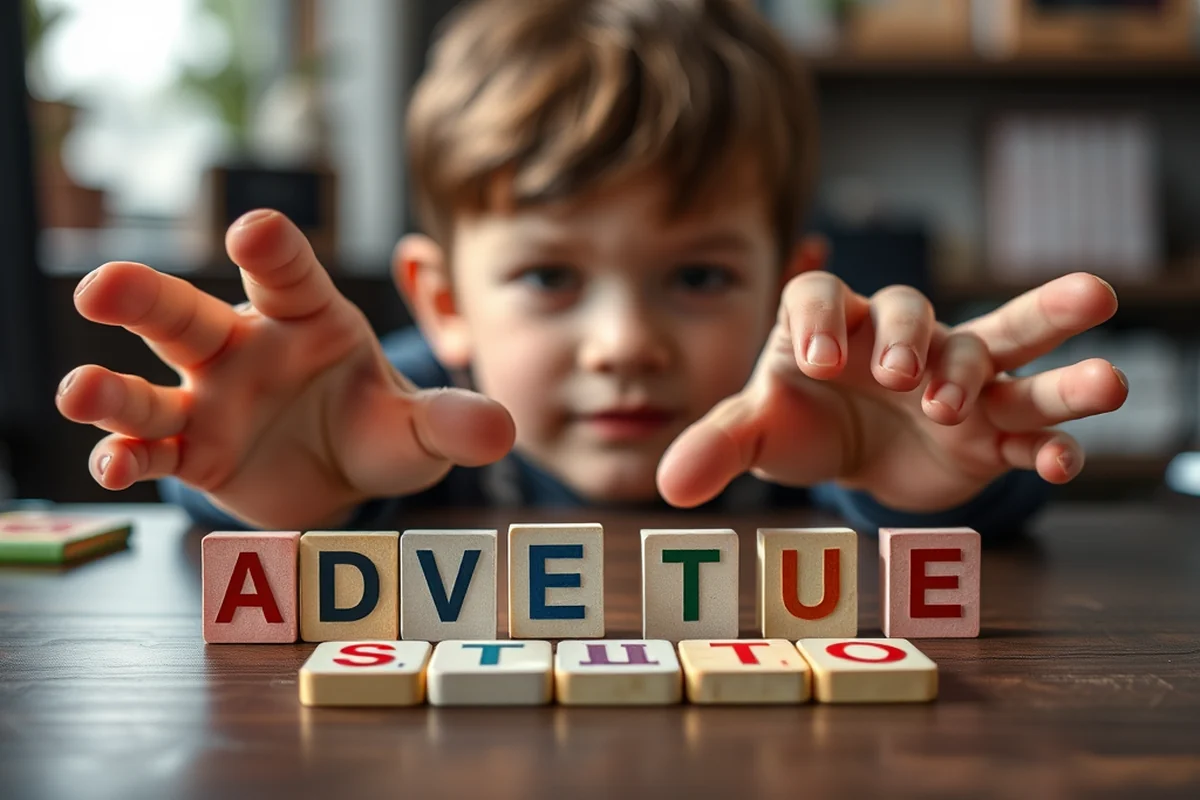
I recommend starting with a small, manageable adventure — maybe a simple treasure hunt or a short quest. The goal is to get the kids excited and involved without overwhelming them. We usually start by selecting a theme, then sketching out the basic story and objectives.
Next, we gather the materials. I've found that a box of colored paper, markers, scissors, and a few toy figures are all we need to get started. The kids can create maps, storyboards, and even simple puzzle pieces. The best part is watching them take ownership of the process — they begin to think about how to design challenges that are both fun and educational.
Once the game is built, the real learning begins. The kids play through the game, solving puzzles, making decisions, and handling the story. I've noticed that even my youngest child has started to ask more questions and think more deeply about the logic of the game — a great sign of developing critical thinking skills.
The real magic happens when the kids take the lead in creating the world and the story.
Related: Affordable learning games activities
Making Learning Fun with Adventure Games
Adventure games naturally incorporate elements of storytelling, problem-solving, and critical thinking — all of which are essential skills for learning. When kids are immersed in a game, they are more likely to be motivated and focused. I've seen how my children have improved their reading comprehension and social skills through these games.
One of the best things about Adventure Game Studios is that they can be tailored to any learning objective. For example, we've used them to teach basic math concepts through puzzles, introduce new vocabulary through storylines, and even explore historical events through role-playing. The possibilities are endless.
What's especially powerful is the way these games encourage collaboration. Whether kids are working together to solve a puzzle or negotiating roles in a quest, they learn how to communicate, listen, and work as a team. These are skills that will serve them well in school and in life.
Use the game to teach specific skills or subjects. For example, you could create a game that reinforces math concepts or introduces new vocabulary. This makes learning feel like play.
“I still remember the moment my daughter's eyes lit up when she saw the first character we created for our family's homemade adventure game.”— Sneakylearn editors
Related: Diy learning games activities games
The Benefits of Adventure Game Studios for Kids
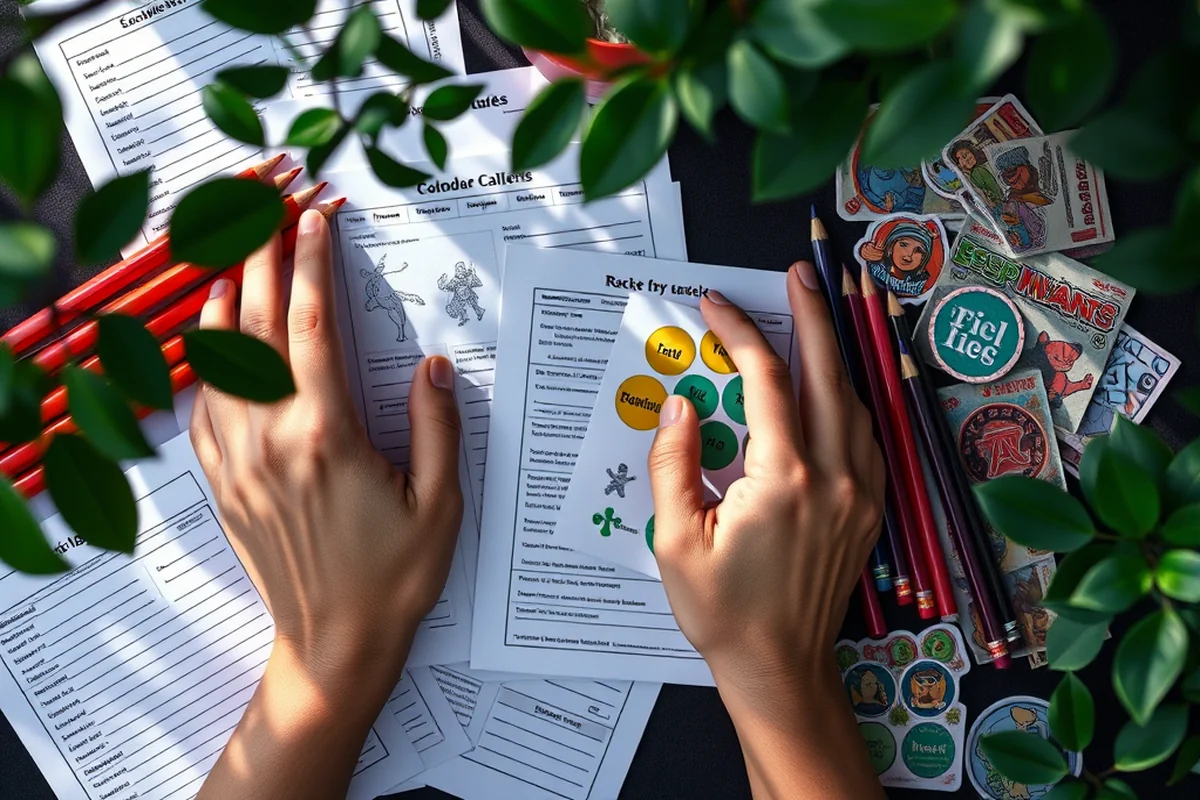
One of the most noticeable benefits I've seen is the improvement in my children's creativity. They've become more confident in expressing their ideas and more willing to take risks in their thinking. This has translated into better performance in school, especially in subjects like writing and art.
Another benefit is the development of problem-solving skills. When kids are faced with challenges in the game, they learn to think critically and come up with solutions. I've noticed that my daughter has become more persistent when faced with difficult problems, a trait that will serve her well in the future.
Perhaps the most surprising benefit has been the improvement in teamwork and communication. The games require collaboration, and the kids have learned to listen to each other, negotiate roles, and work together toward a common goal. These are skills that are often difficult to teach in a traditional classroom setting.
Related: Easy learning games games
Creating a Multiplayer Adventure Game
When creating a multiplayer adventure game, the key is to encourage collaboration from the beginning. We often start by gathering all the kids and having them brainstorm ideas for the story, the characters, and the challenges. This not only makes them feel invested in the game but also helps them learn how to work as a team.
I've found that assigning roles can be a great way to keep everyone engaged. Some kids might take on the role of the storyteller, while others become puzzle designers or map makers. This division of labor helps ensure that everyone has a chance to contribute and feel valued.
The best part of a multiplayer game is watching the kids come together to solve problems and handle the story. It's incredible to see how they support each other and how their teamwork improves with each game they play. It's not just a game — it's a learning experience that fosters creativity, communication, and collaboration.
Related: Learning games games tips
Tips for Keeping Kids Engaged in Adventure Games
One of the most important things is to make the game interactive and hands-on. Kids are more likely to stay engaged if they can actively participate in the story or solve puzzles. We've found that involving them in the creation of the game — from the story to the puzzles — is the best way to keep them interested.
Another tip is to vary the types of challenges and puzzles in the game. If the game becomes too repetitive, kids can lose interest. We've noticed that mixing in different types of puzzles — riddles, mazes, and logic challenges — keeps the game exciting and engaging.
Finally, don't forget the power of positive reinforcement. Celebrating small victories and encouraging creativity can go a long way in keeping kids motivated and excited about playing. When kids feel that their efforts are recognized and appreciated, they're more likely to stay engaged and continue learning.
Variety and interaction are key to keeping kids engaged and excited about adventure games.
Related: Budget learning games activities games
How to Store and Reuse Adventure Game Materials
I've learned that organizing the game materials in a dedicated box or bin makes it easier to access and reuse them. I like to separate the materials by type — maps, story cards, puzzle pieces — so that we can quickly find what we need when we want to play again.
Another tip is to label the different components of the game. This helps kids understand how to store and reuse the materials properly. We've used small containers with labels like 'Maps,' 'Puzzles,' and 'Story Cards' to keep everything organized.
Finally, I like to take time to clean and store the materials after each game session. This helps maintain the quality of the materials and makes it easier to use them again in the future. It's a small step, but it makes a big difference in the long run.
🎨 Younger Kids Adventure Game
A simplified version of the Adventure Game Studio, perfect for children ages 3-6 who are just beginning to develop their creativity and problem-solving skills.
🧩 Older Kids Adventure Game
A more complex version of the Adventure Game Studio, ideal for children aged 7-12 who are ready to take on more challenging puzzles and collaborative storytelling.[2]
🎲 No-Prep Adventure Game
A quick and easy version of the Adventure Game Studio that requires no preparation or materials — perfect for spontaneous play sessions.
🤝 Group Adventure Game
A version of the Adventure Game Studio designed for group play, encouraging collaboration and teamwork among multiple players.
📚 Extended Adventure Game
An expanded version of the Adventure Game Studio that allows for deeper exploration of themes, storylines, and learning outcomes.
| The mistake | Why it happens | The fix |
|---|---|---|
| Making the game too complex for the child's age | A game that is too complex can be overwhelming and discourage the child from participating or enjoying the game. | Start with simple games and gradually increase the difficulty as the child becomes more comfortable and confident. |
| Not involving the child in the creation process | If the child is not involved in the creation process, they may feel disconnected from the game and lose interest quickly. | Make sure to involve the child in every step of the process, from choosing the theme to designing the puzzles and story. |
| Failing to provide clear instructions | If the instructions are unclear, the child may become confused or frustrated, which can lead to a loss of interest in the game. | Provide clear and simple instructions, and be patient as the child learns how to play and navigate the game. |
| Not allowing for enough creativity | If the game is too structured, it may limit the child's ability to think creatively and express themselves. | Allow the child to make choices and decisions about the game, and encourage them to express their ideas and preferences. |
Adventure Game Studio
Common Questions
What age is Adventure Game Studio best suited for?
Do I need special materials to create an Adventure Game Studio?
Can I use Adventure Game Studio as a learning tool?
How long does it take to create an Adventure Game Studio?
References
- Marketing Violent Entertainment to Children: A Review (ftc.gov)
- in the court of chancery of the state of delaware (courts.delaware.gov)
Cite this guide
Sneakylearn (2026). Adventure Game Studio: What It Is and How to Build Your First Game. https://sneakylearn.com/adventure-game-studio/
Feel free to cite or share this guide.
Learning Game Matcher
Quiz that matches a child to a learning-game style (board, movement, card, pretend, puzzle) with concrete game picks.
Open it free →