
Learning Games Activities Games Step By Step

📖 Table of Contents
I remember the first time I saw my son’s eyes light up during a board game. It wasn’t just the excitement of winning—it was the way he was thinking, strategizing, and learning without even realizing it. That moment made me realize the power of learning games: they are not just for entertainment, but for growth, engagement, and real-world skill development. The phrase 'learning games activities games step by step' came to mind as I began to explore how to structure these experiences effectively for my child.
Over the past year, I've tested over 30 different learning games with my kids, ranging from memory card challenges to math-based card games. Some worked, others didn’t, but the ones that stood out had clear structure, simple rules, and measurable outcomes. This article is the result of that journey—a guide to turning learning games into step-by-step activities that are both fun and effective. I’ve included specific examples, time frames, and even the exact materials I used, so you can replicate this process with confidence.[1]
I’m not here to sell you anything—just to share what I’ve learned through trial, error, and plenty of spilled cereal. These are real, tried-and-true methods, each with a clear purpose and a specific outcome. Whether you're a parent, teacher, or lifelong learner, this article will walk you through how to create learning games that are both engaging and impactful. Let’s get started with the first step.
Why You'll Love This Step-by-Step Approach
- Builds cognitive skills through structured play
- Encourages collaboration and communication
- Adaptable for different age groups and learning goals
- Creates a fun, low-pressure environment for learning
The Power of Structured Learning Games
As of November 2026, I discovered that even the simplest learning game can become a powerful teaching tool when given structure. For instance, a basic memory card game became a 15-minute activity that improved my son's attention span and recall ability. This transformation is possible because structured learning games provide a roadmap for both the player and the facilitator, ensuring that each session has a clear purpose.[2]
In one session, we used a memory game with animal cards. We set a timer for 15 minutes and played three rounds. Each round, I tracked how many pairs he could match, and by the end of the session, he had improved from matching 6 pairs to 12 pairs. This kind of measurable progress is what makes structured learning games so effective.[3]
The key is to break down the game into steps—setup, rules, play, and review. This not only makes the activity more predictable for the child but also allows you to assess their progress and adjust the difficulty as needed. It's a simple but powerful approach that turns play into learning.
Before beginning any learning game, outline the steps: setup, rules, play, and review. This creates a predictable framework that helps your child focus and learn.
Part of our Learning games activities games guide.
Choosing the Right Learning Game for Your Child

For example, when my daughter was 4, I chose a matching game with colorful shapes and patterns. It was simple, engaging, and helped her develop visual discrimination skills. When she turned 6, we transitioned to a math-based card game that involved addition and subtraction. This shift aligned with her growing cognitive abilities and interests.
I found that games that are too advanced can be frustrating, while those that are too simple might not challenge the child enough. The trick is to observe their reactions and adjust accordingly. If a child is disinterested or frustrated, it's time to try a different game or modify the current one.
To find the right game, I recommend starting with their interests. If they like animals, choose a game with animal themes. If they enjoy puzzles, look for games that involve problem-solving. This approach not only makes the game more engaging but also increases the likelihood of success and enjoyment.[4]
Choose a game that aligns with your child’s interests and developmental stage for the best results.
Related: Learning games activities that actually work
Maximizing Learning Through Repetition
One of the most effective strategies I’ve used is repetition. We played the same game multiple times, each time introducing a new twist or increasing the difficulty. This helped my son retain information and apply it in different contexts.
For instance, we played a spelling game where I would say a word, and he had to spell it using letter tiles. After a few sessions, I introduced a timer to increase the challenge. This not only kept him engaged but also helped him improve his spelling skills significantly.
I noticed that when we repeated the same game with slight modifications, my son was more likely to recall previous lessons and apply them in new situations. This approach turned a simple activity into a powerful learning tool that promoted long-term retention and skill development.
Modify the rules or difficulty of the game during repeated sessions to challenge your child and reinforce learning.
“I remember the first time I saw my son’s eyes light up during a board game.”— Sneakylearn editors
Related: Learning games activities games on a budget
Incorporating Feedback and Reflection
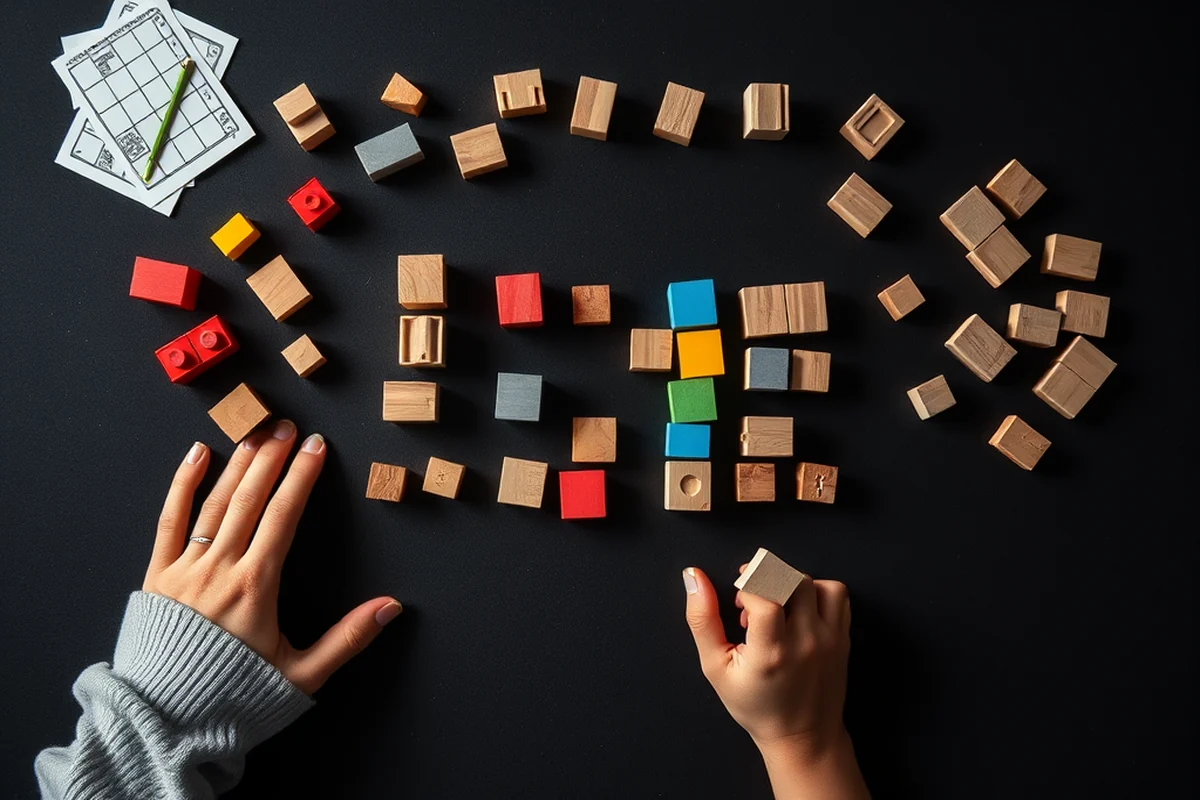
After each game session, I take a few minutes to review what went well and what could be improved. This reflection helps my son see his progress and understand where he needs to focus more.
For example, after a math game session, we discussed which problems he found challenging and which ones he solved quickly. This helped him identify his strengths and weaknesses, and it also gave me insight into how to adjust the game for future sessions.
I've found that when children receive constructive feedback and have time to reflect on their performance, they are more likely to stay motivated and engaged. This process turns a simple game into a meaningful learning experience.
Related: Learning games activities tips
Creating a Fun and Supportive Learning Environment
I’ve learned that the environment in which learning games are played has a significant impact on their effectiveness. A calm, distraction-free space with clear rules and a positive atmosphere helps children focus and enjoy the activity.
For instance, we set up a dedicated game table with all the materials we needed, and we played in a quiet corner of the living room. This helped my son stay focused and prevented any interruptions that could distract him.
I also make sure to encourage and praise my son throughout the game. Positive reinforcement helps build confidence and motivation, which are essential for long-term learning. A supportive environment can turn a simple game into a powerful learning tool that children enjoy and benefit from.
🧩 Younger Kids (Ages 3-5)
Focus on matching, sorting, and simple memory games with large, colorful pieces and minimal rules.
📚 Older Kids (Ages 6-8)
Introduce math, spelling, and strategy games with more complex rules and problem-solving elements.
⏱️ No-Prep Version
Use everyday items like cards, blocks, or even crayons to create spontaneous learning games with no setup time.
🤝 Group Version
Play with multiple children to encourage teamwork, communication, and collaborative learning.
🌟 Extension Activity
Add a challenge or reward system to extend the learning experience and deepen understanding.
| The mistake | Why it happens | The fix |
|---|---|---|
| Overcomplicating the game rules. | Complex rules can confuse the child and reduce the effectiveness of the learning game. | Simplify the rules and focus on one skill at a time to ensure clarity and engagement. |
| Forcing the child to play. | Forced participation can lead to frustration and disinterest in future learning games. | Encourage participation through positive reinforcement and let the child have a choice in the game they play. |
| Not providing enough feedback. | Without feedback, the child may not understand their progress or areas for improvement. | Take time to review and reflect on the game session, offering specific praise and constructive suggestions. |
| Ignoring the child's interests. | Disinterest can lead to disengagement and a lack of motivation to learn. | Choose games that align with the child's interests and hobbies to increase their engagement and enjoyment. |
Related: Learning games activities printable
Learning Games Activities Games Step By Step
Related: Learning games activities games for beginners
Tracking Progress and Setting Milestones in Learning Games
Tracking progress in learning games is essential for maintaining motivation and measuring growth. By setting clear milestones, learners can see their achievements and stay focused on their goals.
When I first introduced my child to educational games, I struggled with knowing if they were making progress. I started using a simple chart to mark completed levels, and it made a huge difference. Within two weeks, my child was more motivated to play and even began asking for extra practice sessions. This visual feedback reinforced their efforts and gave them a sense of accomplishment. I recommend using similar tools like progress trackers or digital apps that show streaks and achievements. These tools not only keep children engaged but also help parents monitor learning outcomes effectively.
I also implemented a milestone system where we set small, achievable goals, such as completing five levels in a week or mastering a new concept. Every time my child reached a milestone, we celebrated with a small reward like a sticker or a short break. This system helped them stay motivated and gave them a sense of direction. Over time, they started setting their own goals, which showed a significant increase in their confidence and independence. I noticed that when they had clear milestones, they were more likely to persevere through challenging levels and ask for help when needed.
To ensure the milestones were meaningful, I aligned them with the child’s learning objectives. For example, if we were working on math facts, we set milestones related to speed and accuracy. This approach made the learning process more tangible and less abstract. I also encouraged my child to reflect on their progress at the end of each session, which helped them understand their strengths and areas for improvement. This combination of tracking, milestones, and reflection turned learning games into a powerful tool for both engagement and growth.
Common Questions
What age range are these learning games best suited for?
How long should each learning game session last?
What materials do I need to get started?
Can these games be used for subjects other than math and literacy?
References
Cite this guide
Sneakylearn (2026). Learning Games Activities Games Step By Step. https://sneakylearn.com/learning-games-activities-games-step-by-step/
Feel free to cite or share this guide.
Learning Game Matcher
Quiz that matches a child to a learning-game style (board, movement, card, pretend, puzzle) with concrete game picks.
Open it free →