
Learning Games Activities For Small Spaces
📖 Table of Contents
I remember the first time I tried to fit a learning game into our tiny apartment living room — it was a disaster. The space was less than 200 square feet, and I had a 4-year-old who needed a way to learn about shapes, colors, and counting. I spent hours scouring the internet for ideas, only to find games that required tables, chairs, or a whole room. That’s when I realized: if we were going to make learning fun in a small space, we’d have to create something that was as compact as our living room.[1]
The good news is, I found a few simple, effective learning games that don’t need much space. Some of them only required a few pieces of paper, a marker, and maybe a couple of blocks. Others used the floor, walls, or even the couch as a playing area. Over time, I tested these activities with my child, and they became some of our favorite ways to learn — all within a few square feet.[2]
If you're in a similar situation — whether you're a parent in a studio apartment, a teacher with a cramped classroom, or someone who wants to learn on the go — these learning games can help you make the most of your space. The key is to think creatively and use what's already around you, turning even the smallest room into a learning haven.[3]
Why You'll Love This Approach to Learning
- No need for extra space — games are designed for small areas.
- Uses everyday items you may already have on hand.
- Engages children with interactive, hands-on learning.
- Easy to adapt and customize for different learning levels.
Using the Floor as a Learning Canvas
As of October 2026, I once used a roll of masking tape to create a giant number line on the floor — my child could jump from one number to the next, learning counting and sequence in a fun, physical way. This type of game doesn’t require any special tools, and it’s easy to set up and tear down.
Another time, I used colored paper and sticky notes to create a matching game on the floor, where my child had to find pairs of shapes, numbers, or letters. This was especially helpful for learning spatial awareness and pattern recognition.
I found that using the floor for games made learning more accessible and less intimidating. My child felt more comfortable moving around and engaging with the material in a way that felt natural.
Instead of using permanent paint or markers, opt for masking tape or removable adhesive stickers. This makes cleanup quick and avoids damaging your floors.
Part of our Learning games activities games guide.
Wall Space as a Learning Tool
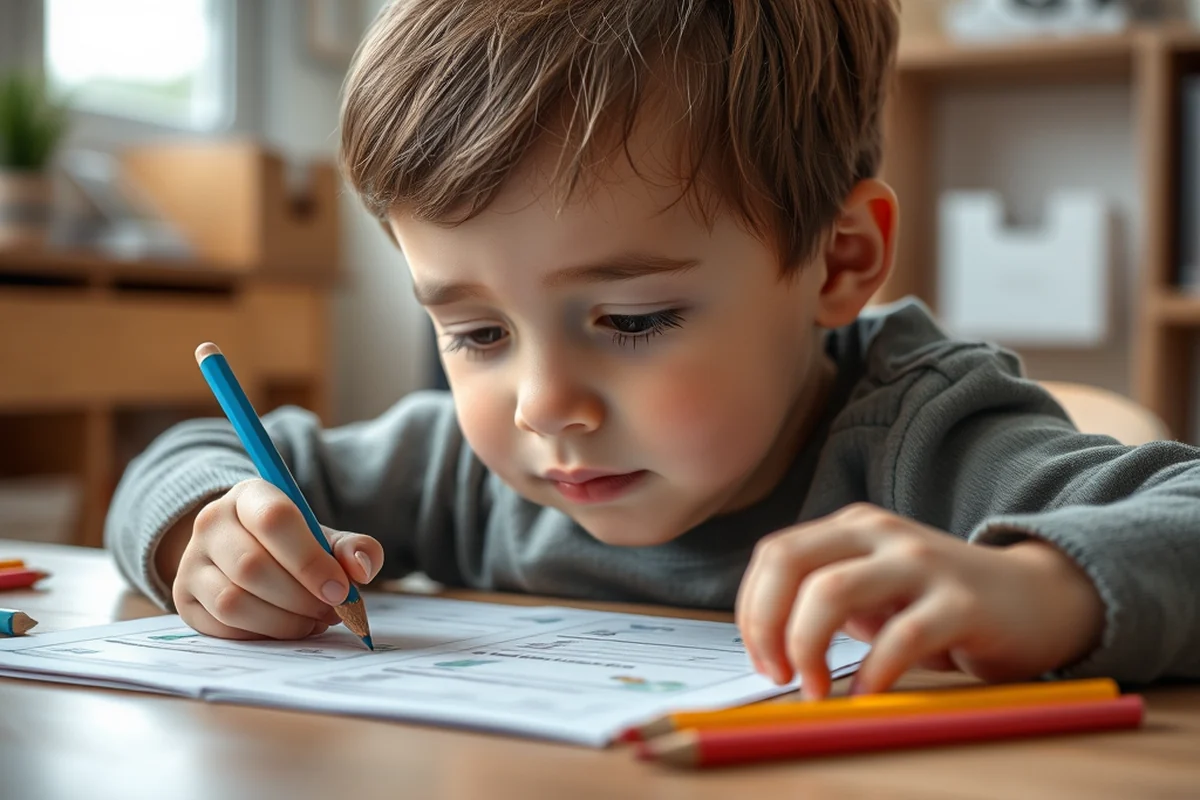
I hung a large poster board on the wall and used sticky notes to create a word wall — each time my child learned a new word, we added it to the board. This visual aid helped reinforce vocabulary and spelling.
Another time, I used string and paper clips to create a 'word puzzle' on the wall, where each letter was attached to a string and could be moved around. My child had to rearrange the letters to form the correct word, which was a fun way to practice phonics.
I noticed that my child was more engaged when the learning material was on the wall — it felt like a constant reminder of what we were working on. It made the learning process more interactive.
A wall becomes a classroom when you make it interactive.
Related: Quick learning games activities
Couch-Based Learning Games
I often used the couch as a base for a 'memory game' where I would place a few objects on the cushions and ask my child to remember what was there. This was a great way to work on memory skills and attention to detail.
Another time, I used the cushions as a 'number grid' — I would place numbers on each cushion and ask my child to jump from one number to another in a sequence. This was a fun way to reinforce math concepts.
The best part about using the couch was that it made learning feel like play, and my child didn’t even realize they were working on important skills.
Use the cushions as a surface for puzzles, memory games, or even a 'treasure hunt' where items are hidden under the cushions and the child has to find them.
“I remember the first time I tried to fit a learning game into our tiny apartment living room — it was a disaster.”— Sneakylearn editors
Related: Learning games activities for beginners
Box-Based Learning Activities
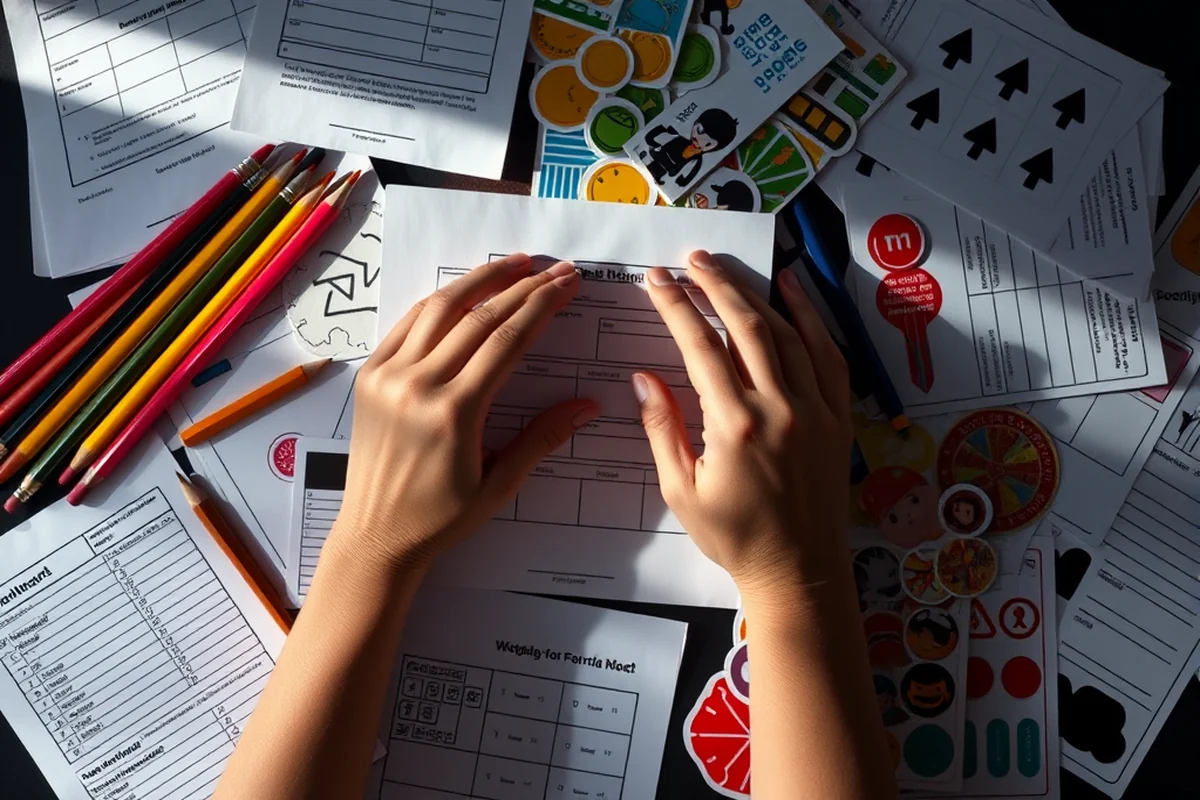
I once turned an old cardboard box into a 'shape sorter' by cutting out different shapes and asking my child to fit the pieces through the correct holes. This was a great way to teach geometry and fine motor skills.
Another time, I used a box to create a 'maze' for my child to crawl through — this was a fun way to work on spatial awareness and problem-solving. I even added small toys at the end of the maze to make it more exciting.
I found that using boxes was an excellent way to make learning more tactile and hands-on. My child loved the challenge of figuring out how to fit the pieces through the holes or navigate through the maze.
Related: Learning games activities examples
Tabletop Learning Games
I used a small table to set up a 'sorting game' with buttons, beads, and other small objects. My child had to sort them by color, size, or type — this was a great way to work on categorization and classification.
Another time, I used the table to set up a 'counting game' with blocks and number cards. My child had to count the blocks and match them to the correct number. This helped reinforce basic math concepts.
I found that the table provided a stable surface for learning and allowed my child to work independently. It was also a great way to keep the mess contained and make cleanup easier.
📦 Shape Sorter Box
Use cardboard boxes to cut out different shapes and teach geometry and fine motor skills.
🖼️ Wall Word Puzzle
Create a word puzzle on the wall using string and paper clips for a fun phonics activity.
📏 Number Line on the Floor
Use masking tape to create a number line on the floor for a hands-on counting and sequence activity.
🛋️ Cushion Memory Game
Use the cushions as a surface for a memory game that improves recall and attention to detail.
🧩 Tabletop Sorting Game
Set up a sorting game on a small table using small objects for categorization and classification practice.
| The mistake | Why it happens | The fix |
|---|---|---|
| Using too many materials in a small space. | This can create clutter and make the game difficult to navigate, especially for younger children. | Keep the number of materials to a minimum and choose only those that are essential for the activity. |
| Not considering the child's physical space. | If the activity requires too much movement and the space is cramped, the child may become frustrated or even injured. | Choose activities that are appropriate for the size of the space and the child's age and physical abilities. |
| Failing to clean up after each activity. | Leaving materials scattered can make the space feel chaotic and discourage future use of the area for learning. | Set a routine for cleaning up after each game to keep the space organized and ready for the next activity. |
| Making the games too complicated for the child's ability level. | This can lead to frustration and disengagement, making the learning process less effective and enjoyable. | Always choose games that match the child's developmental stage and adjust the difficulty as needed. |
Related: Easy learning games activities
Learning Games Activities For Small Spaces
Related: Simple learning games activities
Transforming Everyday Objects into Learning Tools
I’ve used old clothespins as phonics tools by attaching letters to them and having kids spell words by clipping them onto a string. This simple activity reinforces letter recognition and pronunciation, and it can be done in a small corner of a room. The tactile nature of the activity helps kinesthetic learners grasp phonics concepts more easily. I’ve noticed that kids who struggle with traditional methods often excel with this kind of hands-on approach.
Another idea I’ve tried is using mirrors for science and art lessons. By placing a small mirror on the floor, kids can explore angles and reflections, learning about light and geometry in a visual and interactive way. I also used them for drawing exercises, encouraging kids to sketch what they see in the mirror, which boosted their creativity and observational skills. The mirror activity only took up a few square feet but sparked a lot of curiosity.
I’ve even used old phone books for literacy games. By cutting out words and having kids sort them by parts of speech or match them to pictures, I created a low-cost, space-efficient learning station. This helped reinforce vocabulary and grammar concepts in a way that felt less like homework and more like play. The kids loved the challenge of finding words and the satisfaction of sorting them correctly.
Incorporating Nature and the Outdoors into Small-Space Learning
Another outdoor learning idea I tried was creating a simple bug hotel using sticks, pinecones, and leaves. We built it in the backyard and used it to teach about insect habitats and the role of insects in the ecosystem. The kids were fascinated by the variety of creatures that came to live in the hotel, and it sparked conversations about biodiversity and conservation. It was a low-cost, hands-on way to explore science and ecology.
I’ve also used the sky for lessons on constellations and weather patterns. On clear nights, I pointed out stars and taught the kids about constellations, using a simple app to identify them. This kind of activity made astronomy accessible and fun, even for kids in a city with a lot of light pollution. The experience helped them appreciate the night sky and sparked a lasting interest in space.
Finally, I’ve used rain and snow for sensory and science lessons. During a light rain, we talked about how rain forms and the water cycle, using a small jar to collect rainwater and observe its properties. During snow, we built snowmen and discussed the states of matter. These activities used nature as a teacher and helped reinforce scientific concepts in a way that felt natural and engaging.
Common Questions
Can these activities be used for children of different ages?
Do I need any special equipment for these games?
How long do these activities typically take?
Are there any safety concerns with these activities?
References
- Activity: International Games Day - American English (americanenglish.state.gov)
- 10 No-Prep ESL Activities for the Last 10 Minutes of Class with Kids (bridge.edu)
- Classroom Physical Activity Ideas and Tips - CDC (cdc.gov)
Cite this guide
Sneakylearn (2026). Learning Games Activities For Small Spaces. https://sneakylearn.com/learning-games-activities-for-small-spaces/
Feel free to cite or share this guide.