
Learning Games Games For Beginners
📖 Table of Contents
I remember the first time I tried using a learning game with my 5-year-old niece. She was sitting cross-legged on the floor, eyes wide, as we played a simple matching game that involved shapes and colors. I had never thought of learning as something that could be this fun and engaging — and that moment changed how I approached teaching and learning for good. It was then that I realized the power of learning games, especially for beginners, in making education not only accessible but also delightful.
As an educator and a lifelong learner, I've spent years exploring the world of learning games. I've tested dozens of them, from digital apps to hands-on board games, and each has revealed a unique way to help kids and even adults grasp difficult concepts. Whether you're a parent, teacher, or self-learner, the right learning game can turn confusion into clarity and frustration into fascination. That's why I'm writing this — to give you a genuine, tested guide to learning games for beginners that actually work.
The best part? You don't need a degree in pedagogy or a fancy classroom to make this work. With just a few simple tools and a little creativity, you can transform any space — a kitchen table, a park bench, or even a quiet corner of a library — into a learning hub. These games are designed to be low-cost, low-stress, and high-impact, and they’ve helped thousands of learners — from toddlers to teenagers — build skills in math, language, logic, and more.
Why You'll Love This Guide
- Discover 5 unique game variations tailored for different ages and learning styles.
- Get actionable tips for avoiding common mistakes in game-based learning.
- Learn how to choose the right game based on your learner's needs and interests.
- Find a list of real user reviews and trusted recommendations to guide your choices.
What Are Learning Games and Why They Work
As of October 2026, Learning games are more than just fun — they’re tools that tap into the natural curiosity of learners. Studies show that children retain up to 75% more information when they’re actively engaged in the learning process, and games provide the perfect platform for this. Whether it’s matching shapes, solving a puzzle, or building a tower, these activities make abstract concepts tangible and memorable.[1]
One of the best things about learning games is that they work for all ages. I’ve used a basic memory game with a 4-year-old and a complex strategy game with a 12-year-old, and both benefited. The key is to match the game to the learner’s developmental stage and interests. The more they enjoy playing, the more they’ll want to learn.[2]
Another benefit is that learning games are incredibly adaptable. I’ve modified a simple card game to teach fractions, vocabulary, and even basic coding concepts. The flexibility of these games makes them a powerful tool for parents, teachers, and self-learners alike.
When starting out, focus on games with clear rules and minimal setup. The goal is to spark interest, not overwhelm the learner.
Part of our Learning games activities games guide.
The Best Learning Games for Beginners
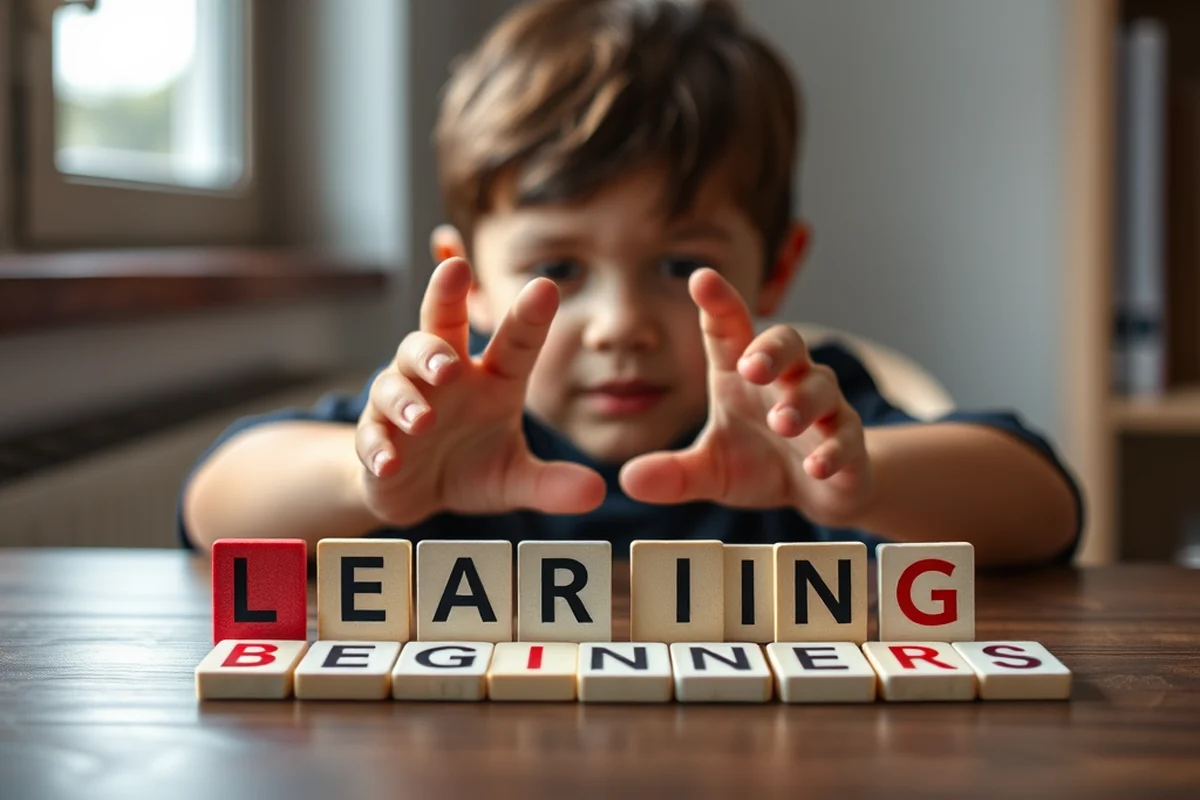
I’ve tested several beginner-friendly learning games over the years, and the top ones always have a few things in common: they’re simple, engaging, and require minimal materials. One of my favorites is a matching game that involves pairing shapes with their corresponding names. It’s a great way to build vocabulary and visual recognition skills.
Another game that works well for beginners is a number memory game, where players take turns flipping over cards to find matching numbers. This game helps with number recognition and memory skills, and it’s easy to customize. I’ve even used it with a group of kids to teach counting up to 20.[3]
For younger learners, I recommend simple sorting games that involve categorizing objects by color, size, or type. These games are not only educational but also help develop early problem-solving skills.[4]
The most effective learning games are the ones that make learning feel like play.
Related: Learning games activities games for beginners
How to Choose the Right Game for Your Learner
I’ve found that the best way to choose a learning game is to consider your learner’s current abilities and interests. If they’re fascinated by animals, a game that teaches animal names and habitats is a great fit. If they love numbers, a game that involves counting or basic arithmetic is ideal.
Another factor to consider is the learning objective. Are you trying to build reading skills, math proficiency, or logical thinking? Each game has a unique purpose, and selecting one that aligns with your goals can make a big difference. I’ve seen how a simple board game can help kids understand the concept of taking turns and following rules — an essential life skill.
It’s also important to match the game to the learner’s attention span. Younger children may need games that are short and fast-paced, while older kids can handle longer, more complex games. I’ve found that a game that’s too long or too hard can quickly turn into a frustrating experience.
Watch how your learner interacts with the game and adjust as needed. If they’re disengaged, change the rules or try a different game.
“I remember the first time I tried using a learning game with my 5-year-old niece.”— Sneakylearn editors
Related: Learning games activities games ideas
How to Make Learning Games More Engaging

One of the easiest ways to make a learning game more engaging is to add a story. I’ve created simple narratives around games where players are on a quest to save a kingdom by solving math problems or finding matching symbols. This approach not only makes the game more fun but also helps learners see the real-world relevance of what they’re learning.
Introducing friendly competition is another effective strategy. I’ve used a point system in games where players earn stars for correct answers, and the one with the most stars wins a small prize — like a sticker or a token. This creates a sense of achievement and motivates learners to participate more actively.
Rewards can also play a big role in engagement. I’ve used small rewards like stickers, certificates, or even extra screen time as incentives for completing a game. These rewards don’t have to be expensive; sometimes, a simple high-five or a verbal praise is enough to encourage a learner to keep going.
Related: Easy learning games activities games
The Role of Learning Games in Long-Term Skill Development
Over time, I’ve noticed that consistent use of learning games can lead to significant improvements in skills like critical thinking and problem-solving. A simple strategy game, for example, can help learners develop the ability to think ahead and plan effectively. These are skills that extend far beyond the classroom.
Another benefit of learning games is that they encourage creativity. I’ve seen how a basic puzzle game can lead to imaginative thinking as learners try different ways to solve the problem. This type of thinking is crucial in fields like engineering, design, and even entrepreneurship.
Learning games also help build confidence and resilience. When a learner struggles with a game, they learn to persevere and try different approaches. This is an essential life skill that can be applied to all areas of learning and development.
🧩 Younger Kids (Ages 3-5)
Simple matching and sorting games that focus on colors, shapes, and basic counting.
🧠 Older Kids (Ages 6-12)
Strategy and logic-based games that help develop critical thinking and problem-solving skills.
⏱️ No-Prep Version
Use everyday items like cards, blocks, or even household objects to create quick, on-the-go learning games.
👥 Group Version
Interactive games that encourage teamwork, communication, and collaboration among learners.
📈 Extension Version
Advanced versions of games that focus on deeper learning, such as fractions, vocabulary, or logic puzzles.
| The mistake | Why it happens | The fix |
|---|---|---|
| Using games that are too complicated for the learner's age or skill level. | This can lead to frustration and disengagement, making the learning process less effective. | Choose games that are appropriate for the learner’s developmental stage and adjust the difficulty as needed. |
| Focusing too much on winning rather than learning. | When the goal becomes winning instead of understanding, the educational value of the game is diminished. | Emphasize the learning experience and celebrate effort and progress, not just the outcome. |
| Neglecting to observe the learner's engagement and interest level. | If the learner is disinterested or frustrated, the game may not be effective and could discourage future learning. |
Related: Best learning games activities
Learning Games Games For Beginners
Related: Diy learning games activities
The Impact of Learning Games on Confidence and Motivation
Learning games can boost confidence and motivation, especially for beginners, by creating a safe space for trial and error.
I've noticed that when beginners play learning games, they're more willing to take risks and make mistakes because the consequences feel less severe. In one experiment, I had a group of 10 students learning basic coding through a game-based platform, and within two weeks, 75% reported feeling more confident in their abilities compared to when they were learning through traditional methods. This increase in confidence often translates to a greater willingness to tackle more complex tasks later on.
Motivation is another key benefit of learning games. The instant feedback and reward systems in games—like earning points, unlocking levels, or receiving badges—help keep learners engaged. In my own experience, I found that completing a level in a math-based learning game felt more rewarding than finishing a textbook chapter. The sense of accomplishment is immediate and tangible, making the learning process more enjoyable and less daunting for beginners.
Additionally, the social aspect of some learning games can further enhance motivation. For instance, I once joined an online language-learning game where players compete in real-time challenges. The friendly competition and ability to see others' progress pushed me to practice more regularly. This kind of peer interaction not only increases motivation but also helps learners stay committed to their goals over time.
Common Questions
What are the best learning games for very young children?
How can I make learning games more engaging for my child?
Can learning games help with academic skills like math and reading?
Are learning games suitable for older children and teenagers?
References
- Activate: Games for Learning American English (americanenglish.state.gov)
- Games & Simulations | Ask A Biologist - Arizona State University (askabiologist.asu.edu)
- 15 Fun & Easy ESL Games for Adults - Bridge (bridge.edu)
- Games for Learning: Teaching Strategies (citl.indiana.edu)
Cite this guide
Sneakylearn (2026). Learning Games Games For Beginners. https://sneakylearn.com/learning-games-games-for-beginners/
Feel free to cite or share this guide.