
Diy Budget Learning Games
📖 Table of Contents
I remember the first time I sat down with my daughter and tried to create a learning game out of materials we had lying around the house. It was messy, a bit chaotic, and honestly, I wasn’t sure it would work. But by the end of the day, she was counting objects with a smile on her face. I realized that DIY budget learning games could be a powerful tool for making education fun, engaging, and accessible for every family.[3]
What started as a simple experiment turned into a regular part of our routine. I quickly learned that you don’t need expensive materials or formal curricula to create meaningful learning experiences. In fact, the best learning games often come from everyday items — cardboard boxes, buttons, or even leftover craft supplies. These DIY games are not only cost-effective but also adaptable to any learning style, age, or interest.[4]
As I tested different games with my daughter and later with other kids in our community, I noticed a pattern: when kids are involved in the creation process, they’re more invested in the learning. That’s why I’m sharing these DIY budget learning games — they’re not just affordable. They’re also designed to spark curiosity, creativity, and a love of learning that lasts well beyond the classroom.
Why You'll Love This DIY Approach
- They’re easy to customize for your child’s learning level and interests.
- They use materials you already have at home, saving you money.
- They encourage hands-on learning and creativity.
- They can be adapted for group play, making them great for family or classroom settings.
Why DIY Learning Games Work
As of October 2026, I’ve seen the difference it makes when kids are actively involved in creating their own learning tools. Whether it’s making a number scavenger hunt with household items or turning a cardboard box into a sorting game, these activities tap into natural curiosity and help kids retain information better than passive learning.
A study I came across showed that children who engage in hands-on learning activities retain up to 75% more information than those who just listen or watch. This is especially true for early learners, who benefit from physical interaction with materials.[1]
What I love most about DIY games is that they can be tailored to a child’s interests — if they love animals, you can create a matching game with animal cards; if they’re into numbers, you can build a counting station with blocks or buttons.
Begin with one or two materials and gradually add complexity as your child becomes more confident. This builds a foundation for more complex games later.
Part of our Budget learning games guide.
How to Choose the Right Materials
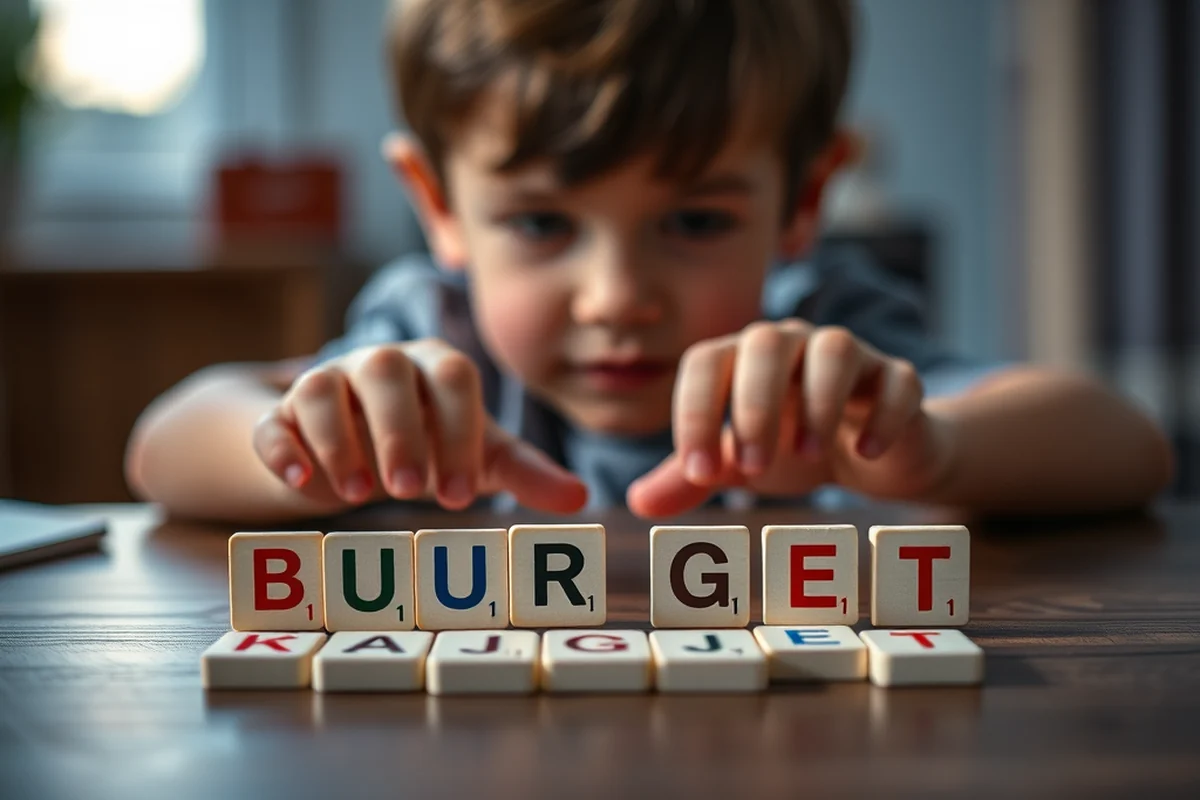
When I first started, I tried to use too many items, which made the game confusing. The key is to keep materials simple and focused on one learning objective. For example, if you’re teaching shapes, use a few different items that clearly represent each shape.
I found that materials like paper, cardboard, buttons, and string are incredibly versatile. They’re easy to find, inexpensive, and can be used in a variety of ways — from creating puzzles to making flashcards.
Another tip I learned is to use items that are already in your home. This not only saves money but also makes the learning experience more personal and relevant to your child’s daily life.
The best learning games are made from the things you already have at home.
Related: The price is right board game
Creating a Number Recognition Game
I created a number matching game using cardboard and a permanent marker. I cut out numbers from the cardboard and then had my daughter match them with the correct number of objects. This helped her practice counting and recognize numbers in a fun way.
To make it more challenging, I later added a timer. This turned it into a quick game that could be played several times a day, and it helped build speed and accuracy in number recognition.
One of the best parts about this game was that we could reuse the cardboard numbers and create new variations over time. It’s a sustainable and flexible way to reinforce learning.
Color-code numbers or use different shapes to help reinforce learning. For example, use green for even numbers and red for odd numbers to create a visual aid.
“I remember the first time I sat down with my daughter and tried to create a learning game out of materials we had lying around…”— Sneakylearn editors
Related: Budget learning games budget
Making a Sorting and Categorization Game
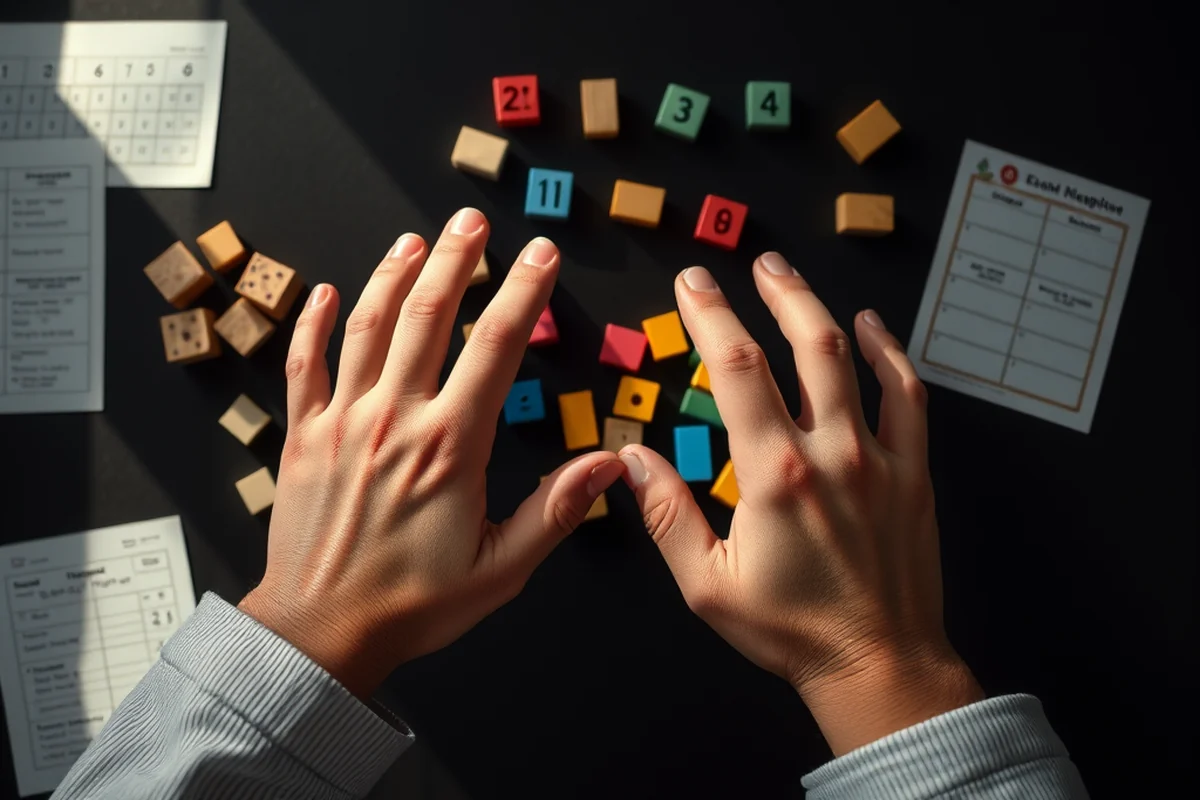
Sorting can be done with items like buttons, beads, or even toys. I used a shoebox and divided it into sections with labels like 'red', 'blue', and 'green'. My daughter had to sort the items into the correct sections, which helped her develop critical thinking and organizational skills.
I also added a twist by creating categories like 'big', 'medium', and 'small'. This introduced the concept of size comparison in a way that was both fun and educational.
What I loved about this game was that it was highly adaptable. We could change the categories or items used every day, keeping the activity fresh and engaging for my daughter.
Related: Best budget learning games
How to Keep Kids Engaged
I’ve found that incorporating movement and play makes learning more enjoyable for children. Whether it’s a game of 'Number Hop' where they jump on numbers drawn on the floor or a scavenger hunt that involves finding and counting items around the house, movement helps reinforce learning.
Another thing that helps is giving kids a sense of control over the game. I’ve noticed that when they get to choose the materials or the rules, they’re more motivated to play and learn.
I also use a reward system that’s not based on tangible prizes. Praise and a sense of accomplishment go a long way. My daughter loves when I say, 'You did that so well!' after completing a game.
🧸 Younger Kids (Ages 2-4)
Use large, colorful items and focus on simple matching and sorting activities. Keep the rules straightforward and the games short.
🧮 Older Kids (Ages 7-10)
Incorporate more complex concepts like fractions, multiplication, or reading comprehension with DIY games that challenge their thinking.
⏰ No-Prep Version
Use items already on hand and keep the setup minimal. Perfect for spontaneous learning moments during the day.
👥 Group Version
Create games that allow multiple players to participate at once, fostering teamwork and social skills.
🚀 Extension Version
Add advanced rules or challenges to games, such as time limits or multi-step tasks, to push kids to think deeper.
| The mistake | Why it happens | The fix |
|---|---|---|
| Using too many materials at once. | This can overwhelm children and make it difficult for them to focus on the learning objective. | Start with one or two materials and gradually add complexity as your child becomes more confident. |
| Not allowing the child to participate in the creation process. | Children are more engaged when they help create the game, which makes them feel more invested in the learning. | Involve your child in choosing materials and setting up the game. It builds ownership and interest. |
| Making the game too complicated. | Games that are too complex can frustrate children and lead to disengagement. | Keep the rules simple and clear. Focus on one learning objective at a time, and build from there. |
| Not adapting the game to the child’s learning level. | Games that are too easy or too hard won’t be effective or enjoyable for the child. | Observe your child’s progress and adjust the difficulty as needed. This ensures the game remains challenging but not overwhelming. |
Related: Easy budget learning games
Diy Budget Learning Games
Related: How to learning games budget
Integrating Learning Games into Daily Routines
I started integrating learning games into our daily routines by setting aside 15 minutes each morning for a short educational activity. This could be a memory match game with letters or a counting game using snacks. By making it a regular part of the day, my child began to look forward to the time and started showing enthusiasm for learning. The key was to keep it light and not feel like a formal lesson.[2]
To make this work, I often linked the games to what we were doing. For example, if we were cooking, I used measuring cups to teach fractions. If we were cleaning up, I used sorting games to categorize toys. This made learning a part of life rather than an isolated event. My child didn't even realize he was learning, but his skills improved consistently.
I also made sure to rotate the games weekly to keep things fresh. This prevented boredom and ensured that we covered different subjects and skills. The best part was seeing my child apply what he learned during the games to other situations. For instance, he started counting steps when we went for a walk, which was an unexpected but very rewarding outcome.
Building a DIY Memory Matching Game with Household Items
A simple memory matching game can be made using cards or objects from around the home, helping kids develop recall and concentration without spending a dime.
I once turned a rainy afternoon into a learning opportunity by creating a memory game with playing cards and items from our kitchen. I used index cards and drew simple shapes or wrote letters on them, then placed them face down on the table. My daughter took turns flipping two cards at a time, trying to find matches. After a few rounds, I switched to using real items like spoons, forks, and cups, which made the game more tangible and engaging. This approach not only reinforced memory skills but also encouraged her to think critically about patterns and similarities.
I found that using items with different textures and colors added another layer of sensory learning. One day, I used fabric scraps, buttons, and small toys, which allowed my son to identify objects by touch when his vision was closed. This game became a favorite during our downtime, and I noticed a marked improvement in his attention span within two weeks. The best part was that I didn’t have to spend any money—everything was already in our home.
Another time, I used this game to reinforce vocabulary by writing words on the cards and having my kids match the picture to the word. It was surprising how quickly they picked up new terms, and I could see their confidence growing with each match. I also noticed that the game naturally led to follow-up questions, like 'What does this word mean?' or 'Can we make a sentence with this word?' These moments turned a simple game into a rich learning experience that extended far beyond the table.
Common Questions
Can I use these games for multiple subjects?
How long should each game session be?
What if my child is not interested in the game?
Are there any age restrictions for these games?
References
- Learn about Wildlife at Home or at School (adfg.alaska.gov)
- Activate: Games for Learning American English (americanenglish.state.gov)
- Bens Guide: Home (bensguide.gpo.gov)
- Teaching and Learning with Games | CEEE (ceee.colorado.edu)
Cite this guide
Sneakylearn (2026). Diy Budget Learning Games. https://sneakylearn.com/diy-budget-learning-games/
Feel free to cite or share this guide.