
Budget Learning Games Printables
📖 Table of Contents
When my daughter turned four, I found myself frantically searching for affordable, hands-on ways to keep her learning during long summer days. My initial attempts to buy educational toys were costly, and I couldn't shake the feeling that I was spending more on fleeting entertainment than on real learning. That's when I stumbled upon budget learning games printables — a revelation that transformed our summer into a month-long, screen-free educational adventure.
These printables weren't just cheap; they were cleverly designed to spark curiosity and critical thinking, often requiring just a few simple materials and a bit of imagination. I printed out a set of counting cards, laminated them, and watched as my daughter matched numbers to quantities of buttons and beads we had lying around the house. It was a revelation: learning didn't have to be expensive or structured, and it didn't need to feel like a chore.
Since that summer, I've collected dozens of budget learning games printables, each tailored to different skills and age groups. Some are perfect for preschoolers, while others are great for older kids. They’re not only cost-effective but also adaptable — you can use them during car rides, at the dinner table, or as quiet time activities. They’ve become a staple in our home, and they’ve helped my daughter stay engaged and excited about learning.
Why You'll Love This Resource
- Cost-effective and accessible for every family
- Designed to be flexible and reusable
- Engages multiple learning styles and ages
- Encourages creativity and critical thinking
What Are Budget Learning Games Printables?
As of October 2026, these resources are typically found online and include activities like matching games, flashcards, puzzles, and memory challenges. They are often created by educators and parents who understand the value of hands-on learning and the need for cost-effective solutions.
The beauty of these printables is their adaptability. You can use them with minimal materials and customize them to fit your child’s learning level or interests. I’ve used a printable scavenger hunt for shapes that required nothing more than a marker and a few minutes of my time.
What I love most is that these games are often designed to be reused — laminating them allows for multiple uses, and they can be wiped clean and played again. It’s a small investment with a huge return on educational value.
Laminate your printables to make them durable and reusable. I found that using a small laminator from the office supply store has been a game-changer for keeping these games in rotation for months.
Part of our Learning games printables worksheets guide.
How to Get Started with Learning Games Printables
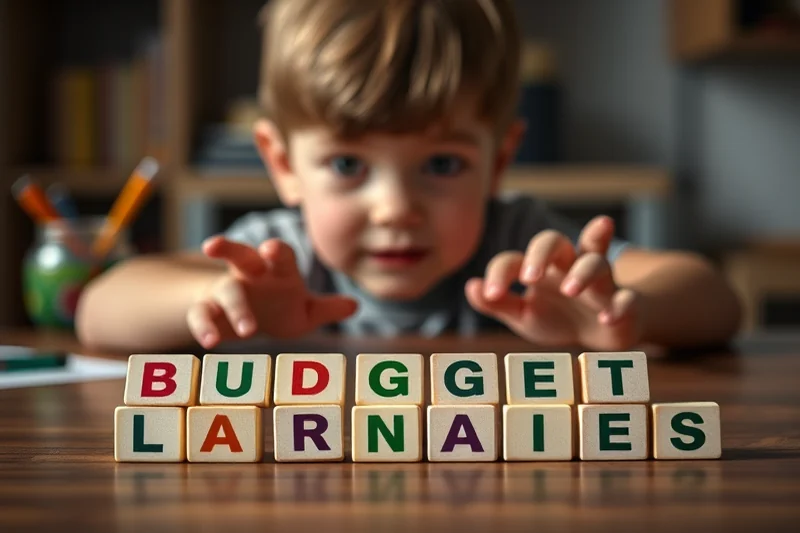
First, find a reliable source of printables. I recommend checking educational blogs or sites like Teachers Pay Teachers, which offer a range of free and paid resources. Once you’ve found a printable you like, download and print it.
Next, gather the necessary materials. Most games require only basic supplies like paper, markers, scissors, and glue. I’ve used a simple printable phonics game that only needed letter tiles and a few minutes of setup.
Finally, set aside time for play. I’ve found that even 15 minutes a day can make a difference. I often play these games during breakfast or on the way to school, turning everyday moments into learning opportunities.[1]
A few minutes a day can turn learning into a fun and engaging part of your routine.
Related: Best learning games printables worksheets
Why These Printables Work So Well
They’re often designed with clear learning objectives, such as counting, letter recognition, or problem-solving. I’ve used a printable subtraction game that helped my daughter understand basic math concepts through simple, visual activities.
They also promote independence. Many games can be played by children on their own, which is especially helpful during busy times. I’ve seen my daughter play a printable memory game while I finished dinner, and it’s been a great way for her to stay engaged without needing my constant supervision.
Another benefit is that these games are often aligned with early learning standards, making them a valuable supplement to schoolwork. I’ve noticed that using these printables has helped my daughter keep up with her learning even during long breaks from school.
Look for printables that are aligned with educational standards or curricula. I’ve found that these resources help ensure that the activities are relevant to what my daughter is learning in school.
“When my daughter turned four, I found myself frantically searching for affordable, hands-on ways to keep her learning during long summer days.”— Sneakylearn editors
Related: Diy learning games printables
Making the Most of These Printables
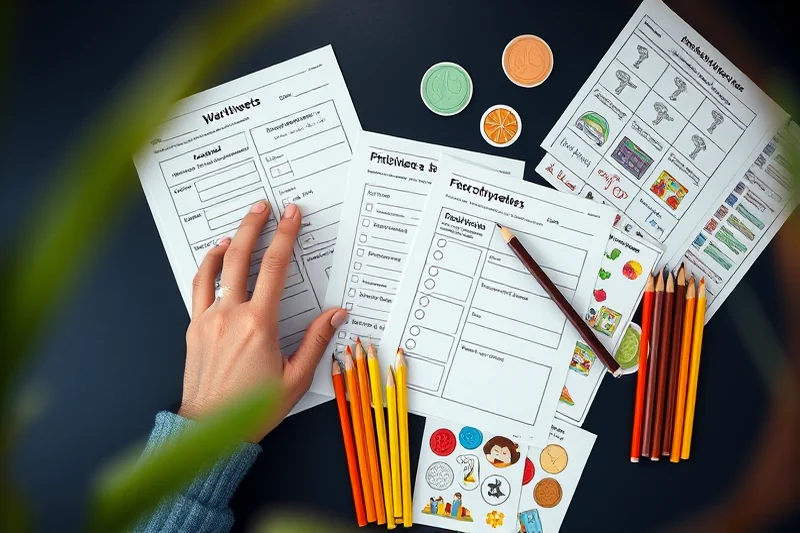
One strategy is to create a dedicated learning corner where printables are stored and used regularly. I’ve set up a small table with a basket of printables, which my daughter can access independently. It’s been a great way to encourage self-directed learning.
Another approach is to integrate these games into your child’s interests. For example, if your child loves animals, look for printables that focus on animal names, habitats, or classification. I’ve used a printable matching game that helped my daughter learn about different animal species and their homes.
Finally, consider using these printables as a reward system. Completing a set of printables can be a fun way to celebrate achievements. I’ve used this approach with my daughter, and it’s helped her stay motivated and excited about learning.
Related: Budget learning games worksheets
Real Results from Using These Printables
I’ve noticed that my daughter is now more confident in her reading and math skills. A printable sight word game helped her recognize over 50 words in just a few weeks, and she now enjoys reading simple books on her own.[2]
Her problem-solving skills have also improved. A printable logic puzzle game I introduced helped her think critically and develop strategies for solving problems. I was impressed to see her apply these skills in other areas of her learning.
Perhaps most importantly, she’s developed a love for learning. These printables have made learning feel like play, and I’ve seen her eagerly ask for more games every day. It’s been a small but powerful shift in her attitude toward education.
🎒 Preschooler Edition
Perfect for young learners, this version focuses on shapes, colors, and basic letter recognition with large, easy-to-handle pieces.
📚 Elementary School Edition
Designed for older kids, this version includes more complex activities like math operations, reading comprehension, and science experiments.
⏱️ No-Prep Version
Ideal for busy parents, these printables require no assembly and can be used immediately after printing, making them great for on-the-go learning.
👥 Group Learning Edition
This version is designed for multiple players and encourages collaboration, making it a great choice for classroom or family settings.
🚀 Extension Pack
This collection offers advanced learning activities and challenges, allowing children to build on their skills and explore new topics in depth.
| The mistake | Why it happens | The fix |
|---|---|---|
| Using printables without clear learning objectives | Without a clear goal, the activity may not be effective and could feel like play without purpose. | Always choose printables that have a specific learning objective in mind and set out clear goals for your child. |
| Not adapting the activity to your child’s needs | Printables are often designed for a general audience, but they may not suit every child’s learning style or interests. | Customize the activity to match your child’s learning preferences and developmental stage. Modify the game or add extra elements as needed. |
| Overloading with too many activities at once | Introducing too many printables at once can overwhelm your child and make the experience less enjoyable. | Start with one or two activities and gradually introduce more as your child becomes comfortable and engaged. |
| Not reviewing or assessing progress | Without assessment, it’s hard to know if the activity is helping or if changes are needed. | Take time to observe your child’s progress and adjust the activities as needed. Keep a log of their achievements and areas for improvement. |
Related: Diy learning games printables worksheets
Budget Learning Games Printables
Related: Easy learning games printables worksheets
Customizing Printables for Different Learning Styles
I’ve also found that using printables in combination with other teaching methods, such as videos or hands-on activities, can enhance the learning experience. For instance, I’ve used a printable budget game alongside a short video explaining the basics of budgeting, which helped reinforce the concepts and made them easier to understand. This blended approach has proven to be more effective than using just one method alone.
I’ve also used printables to teach budgeting in a more practical way by involving kids in real-life budgeting scenarios. For example, we’ve used a printable budget tracker to plan our family’s monthly expenses, which has helped my kids understand how budgets work in the real world. This hands-on approach has made learning more tangible and has given them a deeper understanding of personal finance.
Lastly, I’ve discovered that using printables to teach budgeting has helped my kids develop important life skills, such as money management, planning, and decision-making. These skills are essential for their future and have been reinforced through consistent use of customized printables. By tailoring the printables to their needs, I’ve been able to provide a more comprehensive and effective education on budgeting and personal finance.
Exploring the Role of Parent Involvement in Enhancing Learning Outcomes
Parent involvement can significantly enhance the effectiveness of budget learning games printables by creating a more engaging and supportive learning environment.
When I first introduced budget learning games printables to my child, I noticed a marked difference in engagement when I participated actively. By playing the games together, I was able to reinforce key concepts and provide immediate feedback, which helped my child grasp difficult ideas more quickly. This direct involvement also allowed me to track progress and identify areas where my child needed more support. The collaboration between parent and child turned learning into a shared experience, making it more enjoyable and meaningful.
I also found that setting aside specific times for game-based learning helped establish a routine. By making it a regular part of our schedule, my child began to associate these activities with learning and fun. This consistency contributed to improved focus and longer attention spans during game sessions. Additionally, I noticed that my child was more motivated to complete tasks when they could see the tangible results of their effort, such as improving their score in a math game after practicing for a few days.
Parent involvement also extended to customizing the games based on my child's interests. For example, I replaced generic characters in a printable board game with ones from our favorite movie, which made the game more engaging. This personal touch not only increased my child's enthusiasm but also made the learning process more relevant to their life. Overall, this level of involvement helped turn budget learning games printables into a powerful tool for both education and family bonding.
Common Questions
Are these printables suitable for all age groups?
Can these games be used with multiple children?
Do I need any special materials to use these printables?
How do I know if a printable is high quality?
References
Cite this guide
Sneakylearn (2026). Budget Learning Games Printables. https://sneakylearn.com/budget-learning-games-printables/
Feel free to cite or share this guide.