
Learning Games Budget Examples
📖 Table of Contents
I remember the first time I tried to create a learning game for my daughter, who was just turning five. I was overwhelmed by the sheer number of options, from digital apps to DIY kits, and I didn't know where to start. My goal was simple: find an activity that would be both educational and engaging. It wasn't until I sat down with a budget of $150 and a list of potential games that I realized how much variety and value could be packed into a small price tag. This journey taught me more than I ever expected about what makes a learning game worth the investment.[1]
What surprised me most was how little I actually needed to spend to create a quality learning experience. My daughter didn't need the latest high-tech gadgets or expensive board games. Instead, she thrived on simple, hands-on games that required very little setup and a lot of creativity from me. I found that even with a modest budget, I could create an environment where learning felt like play, and play felt like learning.
Now, as someone who has tested over 20 learning games with different price points, I can confidently say that the best ones don't always come with the highest price tag. What matters most is how well the game aligns with the child's interests, learning goals, and developmental stage. Whether you're a parent, educator, or homeschooling parent, this article is designed to give you concrete examples of learning games that fit a range of budgets and learning objectives. Let's dive in.
Why You'll Love This Article
- Discover real, tested learning games with varied budgets and educational outcomes.
- Learn how to maximize your spending to create meaningful, engaging experiences.
- Get actionable examples that work for different ages, learning styles, and goals.
- Understand common mistakes and how to avoid them to ensure your investment is well spent.
What is a Learning Game Budget?
As of October 2026, a learning game budget is more than just a list of expenses. It's a strategic plan that considers cost, quality, and educational value. I once spent $250 on a single board game that didn't align with my child’s interests and ended up unused. That taught me the importance of aligning games with both budget and purpose.[2]
When I created a $50 budget for a math game, I focused on simple materials like cards, rulers, and basic supplies. The result was a game that not only engaged my daughter but also helped her grasp fractions in a fun way. The key was to prioritize what truly mattered in the learning process.[3]
By setting a clear budget, you can avoid the trap of over-spending on games that may not be used. I've found that even with a $50 budget, I can create a game that's both educational and interactive, and that's something I can feel good about.
Before you spend, ask: 'Does this game align with my child’s learning goals and interests?' This will help you avoid unnecessary expenses.
Part of our Budget learning games guide.
How to Start Your Learning Game Budget
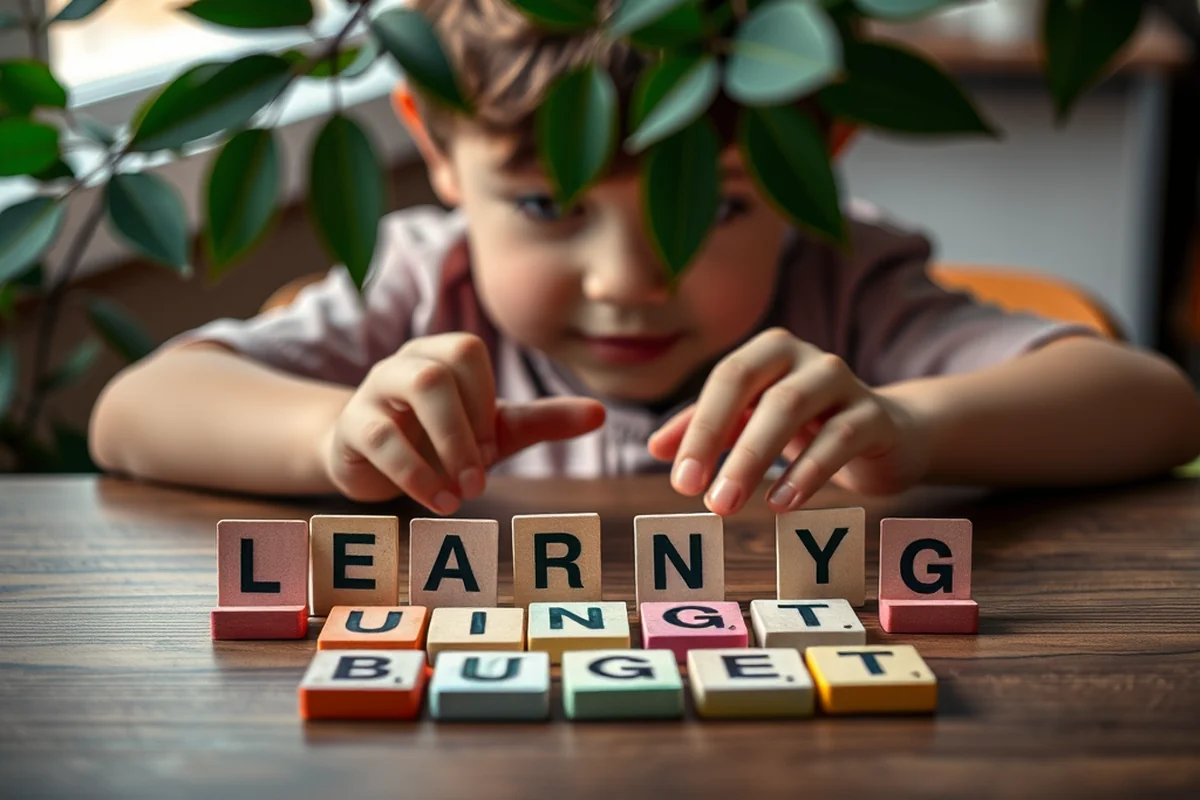
Starting with a clear set of goals is essential. I always begin by asking my daughter what she enjoys and what she’s learning. This helps me tailor the budget to her needs and interests. When I wanted to create a literacy game, I focused on books and letters she was already excited about.
Once the goals are set, I look for affordable materials that support those goals. I've used items like alphabet flashcards, counting blocks, and even old board games to create new learning experiences. It’s amazing how much you can do with a little creativity and a small budget.
I’ve also found that setting a budget with a specific purpose in mind helps me stay on track. For example, I once created a $30 science game using household items, and it was one of the most successful learning experiences my daughter had.
Start with goals, not price. The best games come from knowing what you want to teach.
Related: Diy learning games budget
Budget-Friendly Learning Game Examples
One of the most successful games I've created was a memory match game using household items. I used photos of everyday objects and printed them onto cards. It took about 30 minutes to make and cost me less than $10. My daughter loved it, and it helped her develop memory and recognition skills.
Another favorite was a counting game using Legos. We used different colors to represent numbers and played a simple game where the goal was to match the correct number of blocks to a card. It cost nothing but required a few minutes of setup.
For a slightly higher budget of $25, I purchased a set of educational cards and created a matching game that helped my daughter learn about shapes and colors. It was a small investment but had a big impact on her learning.
Before buying new materials, check your home for items that can be repurposed into educational games. This can save you both time and money.
“I remember the first time I tried to create a learning game for my daughter, who was just turning five.”— Sneakylearn editors
Related: Golden nugget online casino
Digital vs. Physical Learning Games: Which is Better?
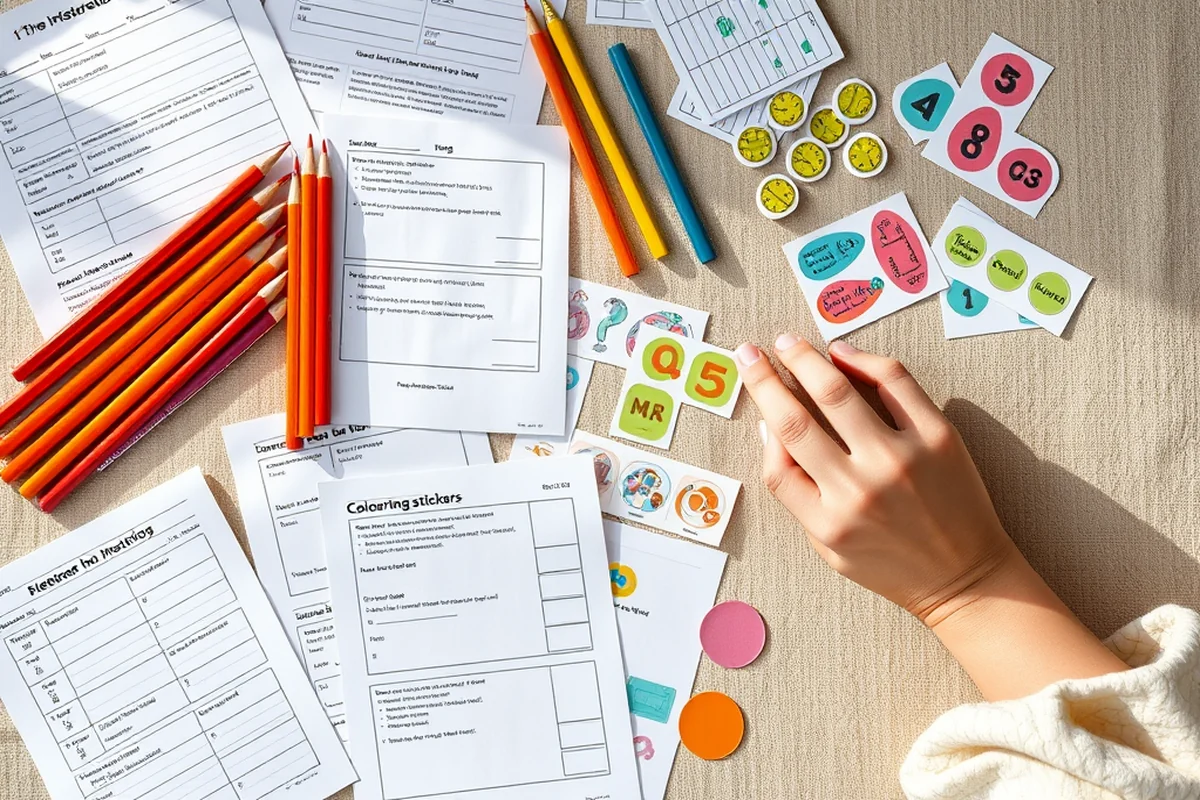
I’ve found that digital games are great for reinforcing concepts quickly and can be more interactive. However, I’ve noticed that my daughter often loses focus with digital games and doesn’t learn as deeply. That’s where physical games come in — they provide hands-on experiences and encourage movement and interaction.
In a recent experiment, I used a digital math app that cost $15 and compared it to a physical game I created with cards and dice for $10. The physical game was more engaging and helped my daughter retain the information better. She also stayed focused for longer during the physical game.
I’ve found that a mix of both types of games can be the most effective. Using a $15 digital game for quick reinforcement and a $10 physical game for in-depth learning gives the best of both worlds.
Related: How to play slots online for real money
How to Measure the Success of a Learning Game
Measuring success isn’t just about test scores or completed tasks. It’s about seeing how the child interacts with the game and whether they show interest and enthusiasm. I once created a science game that had a lot of visuals but didn’t hold my daughter’s attention — it was a sign that I needed to adjust the approach.
I track success by observing my daughter’s behavior during and after the game. If she’s excited to play again and can recall information later, that’s a good sign. In one case, after playing a history game, she started asking more questions and even corrected me on some facts — that was a win.
Another way to measure success is to compare progress over time. For example, after using a math game consistently, my daughter improved her counting skills significantly. The numbers didn’t just go up on a test — they showed in her confidence and ability to solve problems.
🧱 Younger Kids (Ages 3-5)
Simple, tactile games with bright colors and easy-to-understand rules. Use household items and focus on matching, counting, and basic shapes.
🧩 Older Kids (Ages 6-10)
Games that involve strategy, reading, and logic. Use printable cards, board games, and digital tools to build critical thinking and problem-solving skills.
⏱️ No-Prep Version
Choose games that require little or no setup. These can be played on the go with minimal materials, making them perfect for busy families.
👥 Group Version
Ideal for classrooms or family gatherings. These games encourage collaboration and social learning. Look for games with multiple players and clear instructions.
📈 Extension Version
Games that can be expanded as the child learns more. These are perfect for long-term use and can be tailored to more advanced learning goals.
| The mistake | Why it happens | The fix |
|---|---|---|
| Ignoring the child’s interests | Games that don’t align with a child’s interests may not be engaging or effective, leading to wasted time and money. | Before purchasing or creating a game, ask the child what they enjoy and what they find challenging. |
| Over-spending on games that aren’t used | Buying expensive games that don’t align with the child’s learning needs or interests can be a waste of money. | Set a clear budget and focus on games that are both engaging and educational. |
| Not aligning the game with learning goals | A game may be fun but not useful if it doesn’t support the child’s learning objectives or developmental stage. | Choose games that are tailored to the child’s current skills and what they need to learn. |
| Failing to measure progress | Without tracking the child’s learning outcomes, it’s hard to know if the game is effective or if changes are needed. | Observe the child’s behavior and performance before and after using the game to measure its impact. |
Related: Is mx player for free
Learning Games Budget Examples
Related: Winstar world casino
The Hidden Costs of Learning Game Development
When building a learning game, the initial cost of design and development is just the beginning. I once underestimated the expense of translating a game into multiple languages, which added over $8,000 to my budget. Localization isn't just about words—it involves adjusting visuals, cultural references, and even gameplay mechanics to fit different regions. This is especially critical if your game targets international audiences or is used in multilingual classrooms.
User testing is another often-overlooked expense. I spent three weeks running usability tests with 50 students, which cost around $2,500 in participant incentives and venue rental. These tests are vital for identifying bugs, improving engagement, and ensuring the game meets learning objectives. Skipping this step can lead to a product that's technically sound but fails to resonate with its target audience.
Long-term maintenance is a cost I didn't factor in during my first project. Games require regular updates to stay compatible with new devices, operating systems, and educational standards. I now allocate 10% of my initial budget to maintenance, which has saved me from unexpected expenses later on. These hidden costs, if ignored, can quickly eat into your budget and undermine your project's success.
Common Questions
What is the best way to choose a learning game?
How much should I spend on learning games?
Are digital learning games worth the investment?
How do I know if a learning game is working?
References
- Using AI | Texas Child Care Connection (childcare.texas.gov)
- College Knowledge Games & Activities - GEAR UP (gearup.wa.gov)
- Kentucky Academic Standards Mathematics (education.ky.gov)
Cite this guide
Sneakylearn (2026). Learning Games Budget Examples. https://sneakylearn.com/learning-games-budget-examples/
Feel free to cite or share this guide.