
What Is Role Playing Games
📖 Table of Contents
- What Are Role-Playing Games?
- The Educational Benefits of Role-Playing
- How to Get Started with Role-Playing Games
- The Role of the Facilitator in Role-Playing
- Using Role-Playing in the Classroom
- The Importance of Imagination in Role-Playing
- Tips for Making Role-Playing More Effective
- Make It Your Way
- Frequently Asked Questions
I still remember the first time my son turned a cardboard box into a spaceship and asked me to be his co-pilot. It wasn’t just play — it was a lesson in storytelling, teamwork, and imagination that lasted for hours. That moment was the beginning of my journey into the world of role-playing games, a world where children and adults alike can step into new identities and explore possibilities far beyond the limits of their daily lives.
Role-playing games — or RPGs — are more than just a form of entertainment. They are dynamic, interactive tools that can be used in classrooms, homes, and even therapeutic settings to build communication skills, foster creativity, and teach problem-solving. Unlike traditional games, RPGs are not limited by rules or boundaries; instead, they rely on imagination, collaboration, and a shared narrative that evolves with each participant’s input.
Whether you're a parent trying to engage your child in a meaningful activity or an educator looking to make learning more interactive, role-playing games can be a powerful tool. In this article, I'll walk you through what RPGs are, how they work, and why they're such a valuable part of education and personal development. I’ll also share real-life examples and practical strategies that have worked for my family and others I know.
Why You'll Love This Activity
- Develops communication and social skills through collaboration
- Encourages creativity and imaginative thinking
- Provides a safe space for problem-solving and decision-making
- Can be adapted to any age or learning level
What Are Role-Playing Games?
As of September 2026, at its core, role-playing is about stepping into someone else's shoes — or, in some cases, creating an entirely new character — and exploring a narrative together. I remember the first time I tried a role-playing game with my son; we used a few simple props and a story from a children's book. Within minutes, he was fully immersed in the adventure. It wasn’t just play — it was a lesson in empathy, storytelling, and teamwork.
In educational settings, role-playing games can be used to help children understand social interactions, practice real-life situations, or explore historical events. For example, a teacher might have students act out a scene from a historical event to better understand the perspectives and emotions involved. This kind of experiential learning is far more engaging and memorable than reading a textbook passage.
The beauty of role-playing games is that they can be tailored to any age or learning level. A simple game with a child might involve pretending to be a chef in a restaurant, while a more complex game with teenagers might involve solving a mystery or navigating a fictional world. What makes them so effective is the ability to adapt and evolve based on the participants’ interests and needs.
Use a familiar story or create a simple scenario to begin with. This helps younger children get comfortable with the idea of role-playing and builds confidence.
Part of our Learning games activities games guide.
The Educational Benefits of Role-Playing
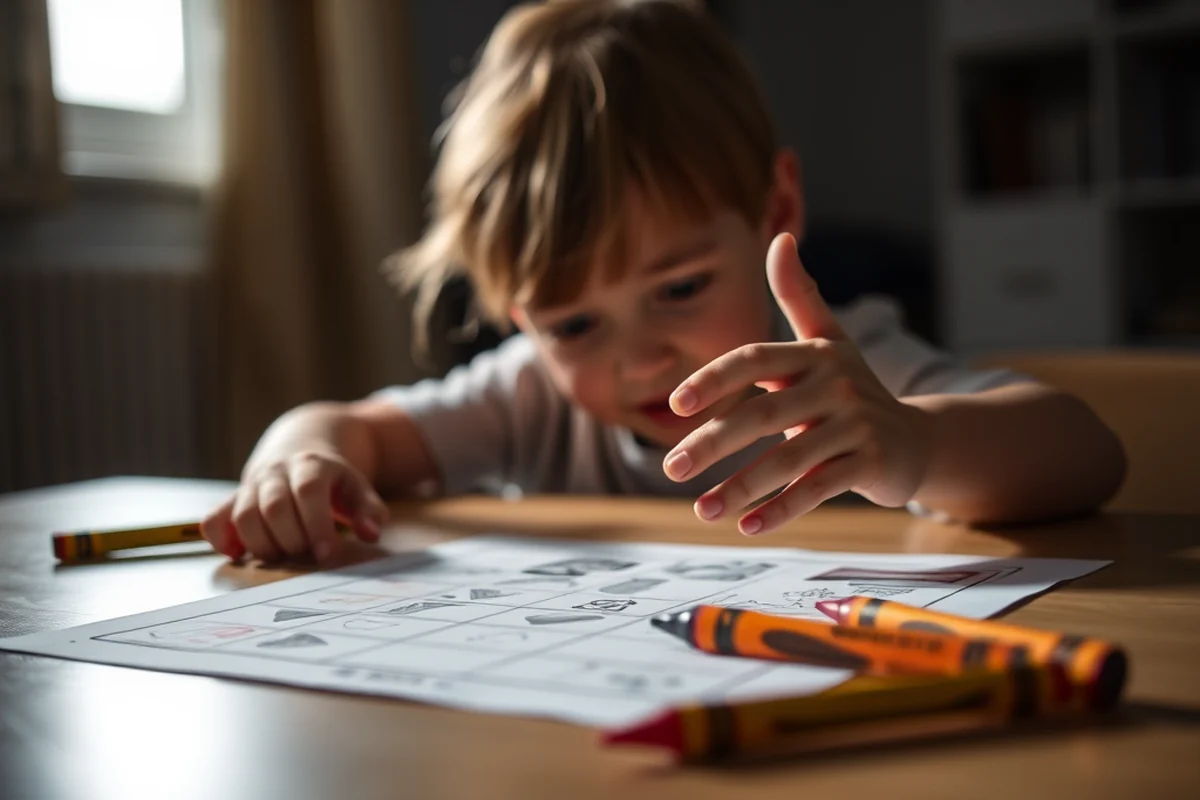
I’ve seen firsthand how role-playing games can transform a child’s social and emotional development. When my son and his friends pretend to be doctors, firefighters, or even space explorers, they’re not just playing — they’re learning how to negotiate, solve problems, and understand others’ perspectives. These are the building blocks of emotional intelligence and social competence.
Studies show that children who engage in regular role-playing activities tend to have better communication skills and are more empathetic. In one experiment, children who played role-playing games regularly were more likely to show understanding of others’ emotions and were better at resolving conflicts. This kind of learning is invaluable in both personal and academic settings.[1]
Teachers and parents can use role-playing games to help children practice real-life scenarios in a safe and supportive environment. For example, a child might act out how to handle a difficult situation at school or learn how to express their feelings in a constructive way. This type of experiential learning is far more effective than traditional lectures.
Role-playing isn’t just play — it’s a powerful learning tool.
Related: Learning games activities games ideas
How to Get Started with Role-Playing Games
The best part about role-playing games is that they can be done with minimal resources. I’ve used everything from paper and markers to old costumes and toys to create immersive experiences for my children. The key is to create a safe, comfortable environment where everyone feels encouraged to participate.
I recommend starting with a simple scenario or story that your child is already familiar with. This helps them feel more comfortable and confident as they take on a role. You can also use prompts or questions to guide the conversation and keep the game moving in a positive direction.
Role-playing games can be a great way to bond with your child and encourage their creativity. Whether you’re pretending to be a pirate, a scientist, or a wizard, the possibilities are endless. All it takes is a little imagination and a willingness to play.
Ask open-ended questions like, 'What would you do if you found a treasure map?' to keep the game engaging and interactive.
“I still remember the first time my son turned a cardboard box into a spaceship and asked me to be his co-pilot.”— Sneakylearn editors
Related: Easy learning games activities games
The Role of the Facilitator in Role-Playing
As a parent or educator, it’s important to be present and engaged when playing role-playing games. Your role isn’t to take over the game, but rather to provide support, guidance, and encouragement when needed. This helps create a more immersive and meaningful experience for everyone involved.
I’ve found that being a facilitator means being patient, observant, and ready to step in when the game might get too intense or confusing. It also means being open to the creative ideas that come from the children and helping them explore those ideas in a safe and constructive way.
A good facilitator knows when to step in and when to let the game take its natural course. By creating a supportive and encouraging environment, you can help children develop their creativity, problem-solving skills, and social confidence.
Related: Best learning games activities
Using Role-Playing in the Classroom
In the classroom, role-playing games can be used to teach a wide range of subjects, from history and social studies to science and literature. For example, students might act out a scene from a historical event or take on the roles of characters from a novel to better understand their motivations and actions.[2]
One of the biggest advantages of using role-playing in the classroom is that it allows students to experience the material in a more personal and meaningful way. When students are actively involved in a role-playing scenario, they are more likely to remember the information and apply it in real-life situations.
I’ve seen teachers use role-playing to help students practice public speaking, build confidence, and develop a deeper understanding of complex topics. Whether it's a simple game or a more complex scenario, role-playing can be a powerful tool for learning.
Related: Diy learning games activities
The Importance of Imagination in Role-Playing
Imagination is what makes role-playing games so unique and powerful. It allows participants to explore new worlds, try on different identities, and experience life from different perspectives. Without imagination, role-playing games would be nothing more than scripted activities with little real-world value.
I’ve seen how imagination can transform a simple game into an unforgettable experience. When my son and his friends pretend to be astronauts exploring a distant planet, they’re not just playing — they’re using their imaginations to create a whole new world filled with possibilities.
Encouraging imagination is one of the most important aspects of role-playing games. It allows children to think creatively, problem-solve, and explore their own ideas and perspectives in a safe and supportive environment.
Imagination is the key to unlocking the full potential of role-playing games.
Related: Learning games activities on a budget
Tips for Making Role-Playing More Effective
One of the best ways to make role-playing games more effective is to create a safe and supportive environment where everyone feels comfortable expressing themselves. This means being patient, listening actively, and being open to the ideas and suggestions of all participants.
Another tip is to use prompts and questions to guide the game and keep it moving in a positive direction. This helps ensure that the game remains engaging and meaningful for everyone involved.
Finally, it’s important to be flexible and willing to adapt the game as needed. Role-playing games can be unpredictable, and sometimes the best ideas come from unexpected places. Being open to these moments can help make the experience more enjoyable and meaningful for everyone.
🎭 Younger Kids Adventure
A simple and engaging role-play for children aged 3-6, using minimal props and familiar stories.
🕵️ Older Kids Mystery Game
A more complex scenario for older children that involves solving a mystery or completing a challenge.
🎲 No-Prep Role-Playing
A quick and easy role-playing game that requires no preparation or props.
👥 Group Role-Playing Activity
A collaborative role-playing game designed for groups of children or students.
📚 Educational Extension Game
A role-playing game that can be used to reinforce learning in a specific subject or skill.
| The mistake | Why it happens | The fix |
|---|---|---|
| Not being present or engaged during the game. | If the facilitator is not present or engaged, the game can become chaotic or confusing for the children. | Make sure to be present and engaged during the game, and provide support and guidance when needed. |
| Not creating a safe and supportive environment. | A lack of a safe and supportive environment can make children feel uncomfortable or discouraged. | Create a safe and supportive environment where everyone feels comfortable expressing themselves and exploring their ideas. |
| Using too many rules or restrictions. | Too many rules or restrictions can make the game feel more like a structured activity than an imaginative play session. | Use minimal rules and restrictions, and be open to the creative ideas that come from the children. |
| Not adapting the game as needed. | Failing to adapt the game as needed can make the experience less enjoyable and meaningful for everyone involved. | Be flexible and willing to adapt the game as needed, and be open to the ideas and suggestions of all participants. |
What Is Role Playing Games
Common Questions
What are the best role-playing games for young children?
How can I make role-playing games more engaging for my child?
Can role-playing games be used in the classroom?
What are the benefits of role-playing games for children?
References
- Updating Age Determination Guidelines for Toys (cpsc.gov)
- The Powerful Role of Play in Early Education (cde.ca.gov)
Cite this guide
Sneakylearn (2026). What Is Role Playing Games. https://sneakylearn.com/what-is-role-playing-games/
Feel free to cite or share this guide.