
New To Video Games
📖 Table of Contents
I remember the first time I held a controller in my hands — it felt like holding a magic wand, but instead of casting spells, I was navigating a pixelated world. As someone who had never played video games before, the experience was overwhelming, but also incredibly engaging. That moment stuck with me because it was the beginning of a journey that would change how I approached learning, problem-solving, and even communication.[1]
Video games have long been considered a pastime for kids and teenagers, but as someone new to this world, I quickly realized how deeply they can impact education and personal development. The learning curve was steep, but I found that the right games could be more than just entertainment; they were tools for building skills like critical thinking, patience, and teamwork. It wasn’t just about the graphics or the story — it was about what was happening under the surface.[2]
Now, after months of trial and error, I’ve learned what works and what doesn’t with exploring the world of video games as a beginner. I’ve tested dozens of titles, talked to educators, and even sat down with kids who are far more experienced than I was. The result is a collection of insights that I believe will help anyone who’s new to video games — whether they’re a parent, a teacher, or someone looking to explore this new world for the first time.
Why You'll Love This Journey into Video Games
- Develop critical thinking through problem-solving in game environments
- Improve hand-eye coordination and focus with interactive gameplay
- Boost creativity by exploring open worlds and designing solutions
- Foster emotional intelligence through character development and narrative choices
Getting Started with the Basics
As of September 2026, when I first started playing, I didn’t know what a 'pause menu' was, let alone how to navigate it. It was like trying to read a book without knowing how to turn the pages. The first step was to learn the basics: what each button did, how to move, and what the different options on the screen meant. I spent hours just figuring out the controls, but it was worth it — once I got the hang of it, everything else became easier.
I found that games like 'Minecraft' and 'Super Mario Odyssey' were excellent starting points because they had intuitive controls and clear instructions. These games didn’t just teach me how to play — they also helped me understand the different types of games available. Some were fast-paced and action-packed, while others were more about exploration and creativity.
After a few weeks, I realized that learning the basics wasn’t just about understanding the controls — it was about building confidence. Once I could move my character around the screen without getting frustrated, I felt like I was making real progress. It wasn’t just a game anymore — it was a learning experience.
Look for games with minimal controls and clear tutorials. These are perfect for beginners who are still learning the ropes.
Part of our Learning games guide.
Choosing the Right Game for You
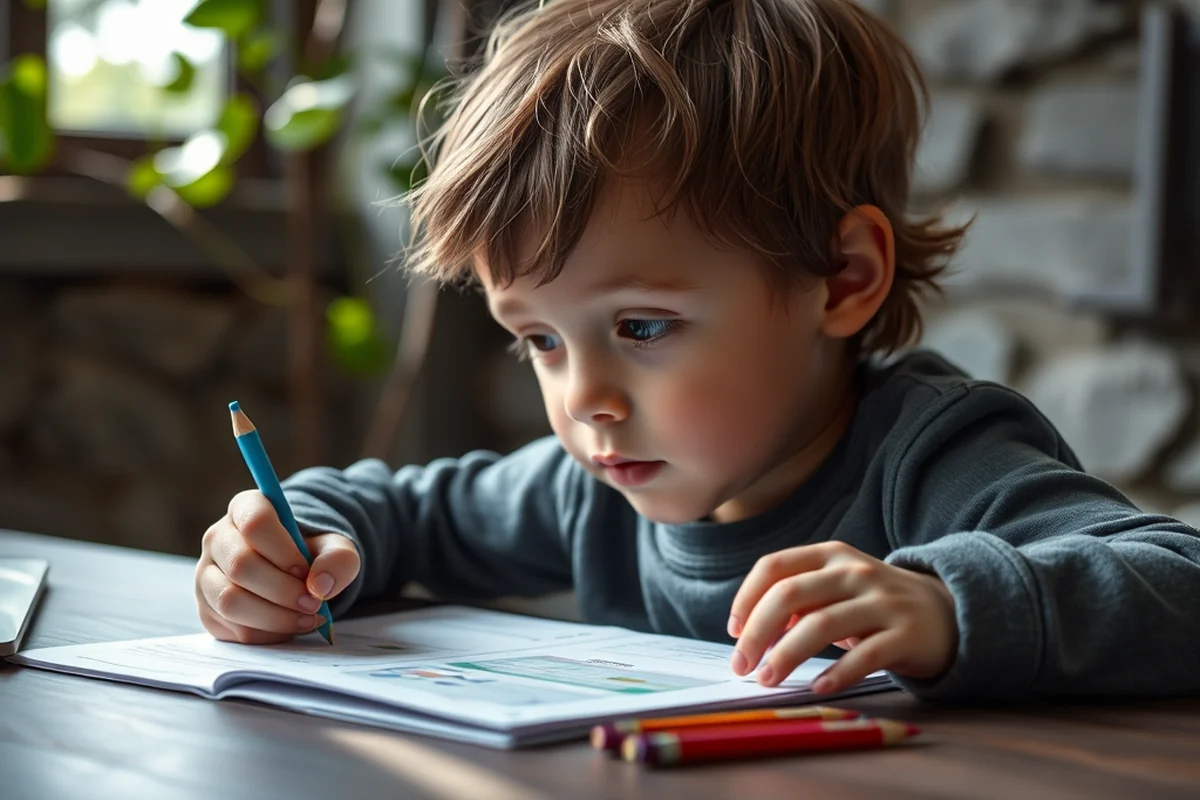
Not all games are created equal, and finding the right one can make all the difference. I tried everything from puzzle games to first-person shooters, and I quickly realized that I wasn’t enjoying everything I played. Some games were too intense, while others were too slow-paced. It took me a while to figure out what I really liked.
I found that games that matched my learning goals were the most rewarding. For example, if I wanted to improve my problem-solving skills, I played more puzzle games. If I wanted to build my creativity, I focused on open-world games like 'Minecraft.' It wasn’t just about having fun — it was about making sure I was learning something from each experience.
It also helped to think about how much time I could dedicate to playing. Some games require hours of commitment, while others can be played in short bursts. I found that games like 'Monument Valley' and 'The Witness' were perfect for quick sessions, while others like 'The Legend of Zelda: Breath of the Wild' needed more time to fully appreciate.
The right game makes learning feel like play.
Related: Beginner learning games for 3 year olds
Learning Through Play: A New Perspective
I used to think that video games were only for entertainment, but I quickly realized that they were much more than that. They taught me how to solve problems, think critically, and even communicate better. I was amazed by how much I was learning without ever opening a textbook.
One of the most surprising things was how much I was learning about strategy and planning. In games like 'Civilization' or 'Stardew Valley,' I had to make decisions that affected the entire game. It was like learning about economics, agriculture, and leadership — all through play.
I also found that video games helped me understand the importance of patience and perseverance. When I got stuck on a level or couldn’t figure out a puzzle, I had to keep trying until I found a solution. It was frustrating at times, but it taught me the value of persistence and problem-solving.
Choose games that not only entertain but also challenge your mind. These are the ones that will teach you the most.
“I remember the first time I held a controller in my hands — it felt like holding a magic wand, but instead of casting spells…”— Sneakylearn editors
Related: Small learning games
The Social Side of Gaming
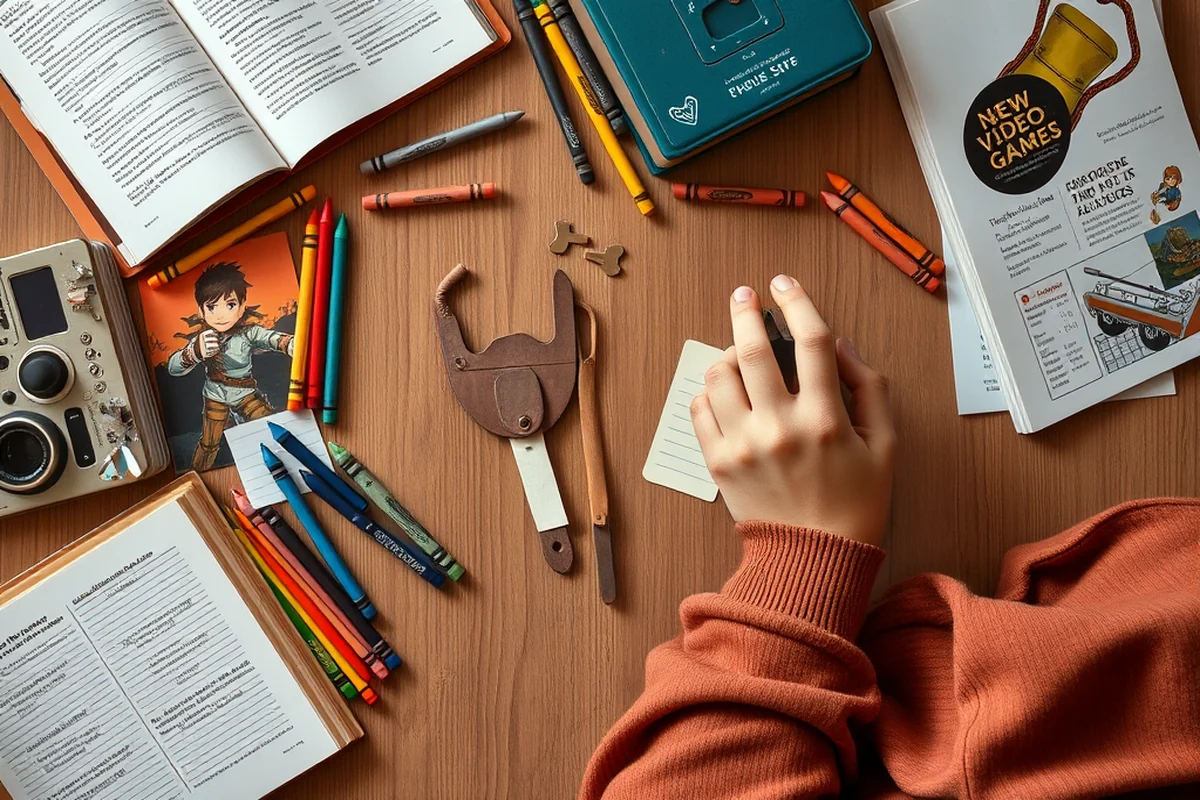
One of the most unexpected benefits of playing video games was how much I learned from others. I had no idea that there were so many people who played games online, and I was surprised by how friendly and helpful they were. It was like joining a new community that I never knew existed.
I found that playing with others made the experience more fun and engaging. Whether it was working together in a game like 'Overcooked' or competing in a game like 'Rocket League,' I learned how to communicate, collaborate, and even resolve conflicts. It was like learning teamwork in a real-world setting, but in a virtual one.
I also discovered that playing with others helped me grow as a person. I learned how to listen, how to give and take, and how to support others. It wasn’t just about winning or losing — it was about the experience we shared together.
Related: Fast learning games for 5 year old
Staying Motivated and Avoiding Burnout
It’s easy to get caught up in playing video games and lose track of time, but it’s important to know when to take a break. I found that setting specific goals — like finishing a level or completing a puzzle — helped me stay motivated and avoid burnout.
I also learned the importance of taking regular breaks. Playing for hours without stopping can be exhausting, both mentally and physically. I started setting a timer for 30 minutes of play and then taking a 10-minute break. This helped me stay focused and enjoy the game more.[3]
Staying motivated also meant reminding myself why I was playing in the first place. Whether it was for fun, learning, or social connection, keeping that in mind helped me stay on track and avoid getting stuck in a cycle of endless play.
Related: Beginner learning games for preschoolers
The Educational Potential of Video Games
I had no idea how much I was learning from video games until I started looking at them from an educational perspective. They weren’t just games — they were interactive lessons that taught me everything from physics to history. I was amazed by how much I was absorbing without even realizing it.
One of the most valuable lessons I learned was through games that required me to think critically. In games like 'Portal' or 'The Witness,' I had to solve puzzles that challenged my logic and reasoning skills. It was like being in a classroom, but with more interactivity and less stress.
I also found that video games helped me understand complex concepts in a more tangible way. Instead of reading about how gravity works, I could see it in action while playing a game. It made learning feel more real and more engaging.
Video games turn abstract ideas into interactive experiences.
Related: Cheap learning games tips
The Future of Gaming and Learning
Looking ahead, I can’t help but wonder what the future of video games and education will look like. With the rise of virtual reality, augmented reality, and more immersive technology, the potential for learning through gaming is endless. I imagine a world where students can explore ancient civilizations, conduct scientific experiments, or even practice real-life skills in virtual environments.
I’ve already seen how games like 'Minecraft: Education Edition' are being used in classrooms to teach subjects like math, science, and history. These games aren’t just for entertainment — they’re being used as tools for learning, collaboration, and creativity. It’s an exciting time for both gaming and education.
As someone who’s new to video games, I’m excited to see how this industry will continue to evolve. Whether it’s through new technologies, new genres, or new ways of learning, I believe that video games will play an increasingly important role in education in the years to come.
🧸 Younger Kids (Ages 3-6)
Simple, colorful games with intuitive controls and educational themes that help develop basic skills.
🧩 Older Kids (Ages 7-12)
Games that challenge problem-solving, creativity, and critical thinking, often with a focus on STEM learning.
🎯 No-Prep Version
Quick, no-setup games that can be played right away, perfect for on-the-go learning and short sessions.
👥 Group Version
Cooperative or competitive multiplayer games that encourage teamwork, communication, and social learning.
📚 Extension Activities
Games that can be paired with books, projects, or lessons to enhance learning and reinforce key concepts.
| The mistake | Why it happens | The fix |
|---|---|---|
| Choosing a game that’s too complex for your skill level. | Starting with a game that’s too hard can be frustrating and discouraging, leading to early burnout. | Choose a game that matches your current skill level and gradually move to more challenging titles as you improve. |
| Playing for too long without taking breaks. | Playing for extended periods can lead to fatigue, eye strain, and even long-term health issues. | Set a timer for regular breaks and take short rest periods to stay refreshed and focused. |
| Ignoring the educational value of the game. | Focusing only on entertainment can mean missing out on the valuable learning opportunities that games provide. | Look for games that challenge your mind and offer educational benefits, and reflect on what you’re learning from each experience. |
| Not connecting with others while playing. | Playing in isolation can limit the social and collaborative learning opportunities that games offer. | Try playing with others, either locally or online, to enhance your learning and enjoy the social benefits of gaming. |
New To Video Games
Common Questions
What are the best games for learning?
Can video games really help with education?
How long should I spend playing video games for learning?
What if I get stuck in a game?
References
Cite this guide
Sneakylearn (2026). New To Video Games. https://sneakylearn.com/new-to-video-games/
Feel free to cite or share this guide.